

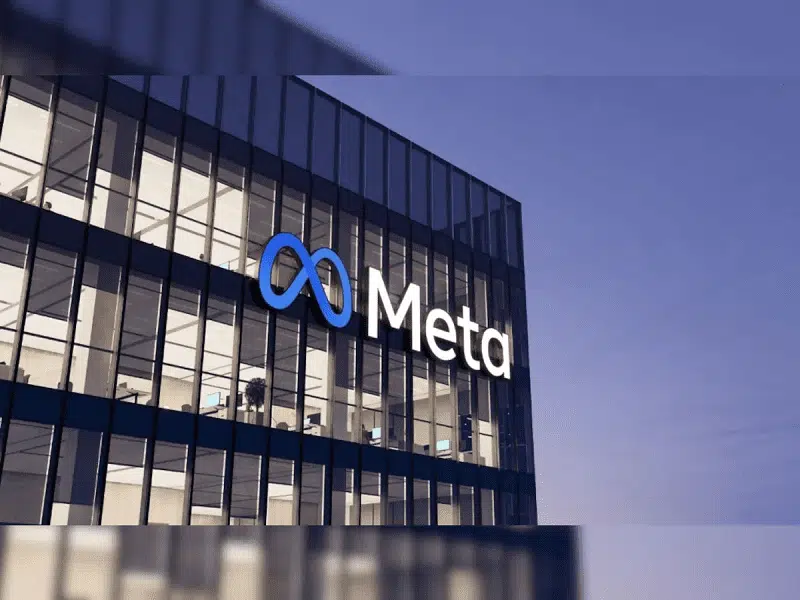
Meta has agreed to pay up to $18 billion to settle claims brought by 29 US states accusing Facebook and Instagram of harming and encouraging addictive use among children and teenagers.
The agreement, announced after a high-profile legal battle in California, could become one of the largest settlements involving a social media company and child safety.
Meta has denied wrongdoing but agreed to make significant changes to how teenagers use its platforms.
Meta to pay billions over the next decade
Under the settlement, Meta will pay the agreed amount over a 10-year period.
The company has guaranteed about 70% of the settlement, estimated at roughly $12.7 billion. The remaining amount, around $5 billion, is conditional on competing platforms such as TikTok, Snapchat and YouTube adopting similar safety measures and agreeing to comparable payments.
The agreement follows allegations that Meta deliberately designed Facebook and Instagram to keep young users engaged while failing to adequately address the potential impact on their wellbeing.
California Attorney General Rob Bonta described the settlement as an important step towards protecting children online.
What will change for teenagers?
Beyond the financial settlement, Meta is expected to introduce stronger protections for younger users.
The measures include:
- Tighter daily usage limits for teenagers
- Expanded overnight restrictions
- Stronger age verification systems
- Additional safeguards against harmful content
- Greater controls around how underage accounts interact with others
The changes are intended to reduce excessive use and limit teenagers’ exposure to content considered harmful.
Meta has already been using artificial intelligence to identify accounts that may belong to underage users and enforce its minimum age requirements.
Meta’s legal problems are not over
While the agreement settles the case involving the 29 states, it does not bring an end to Meta’s wider legal challenges.
The company continues to face thousands of lawsuits from individuals, school districts and other groups accusing social media platforms of contributing to mental health problems among young people.
Other major platforms, including TikTok, Snap and YouTube, are facing similar scrutiny over their approach to child safety.
The pressure is also growing beyond the United States. In Nigeria, policymakers have been considering stronger restrictions around children’s access to social media, including possible age limits and improved age verification.
A major warning for the social media industry
For Meta, the settlement removes one major legal threat but highlights a much bigger issue facing the entire social media industry: how much responsibility should platforms bear for the effects their products have on young users?
As governments continue to push for stronger online protections, social media companies may face increasing pressure to redesign products, strengthen age controls and take greater responsibility for children’s digital experiences.
The $18 billion agreement could therefore become more than a settlement. It may set a new benchmark for how the technology industry approaches child safety.