


SpaceX has made history following its debut on the Nasdaq, delivering one of the most remarkable first-day performances ever seen in public markets.
Trading under the ticker symbol SPCX, the aerospace company opened above its initial public offering (IPO) price and quickly surged more than 30%, pushing its market capitalisation to approximately $2.24 trillion.
The milestone places SpaceX among the world’s most valuable companies, joining a select group of technology giants that have spent decades building trillion-dollar valuations. For SpaceX, the achievement came on its first day as a publicly traded company.
A Record-Breaking IPO
The company’s IPO raised an estimated $75 billion, setting a new benchmark for public offerings and eclipsing the previous record held by Saudi Aramco.
Investor enthusiasm reflects growing confidence in SpaceX’s position as a leader in commercial space exploration, satellite communications, and launch services. Over the past two decades, the company has transformed from a high-risk startup into one of the most influential players in the global aerospace industry.
The successful listing also underscores increasing investor appetite for companies operating at the intersection of advanced technology, infrastructure, and space innovation.
Elon Musk Crosses the $1 Trillion Wealth Milestone
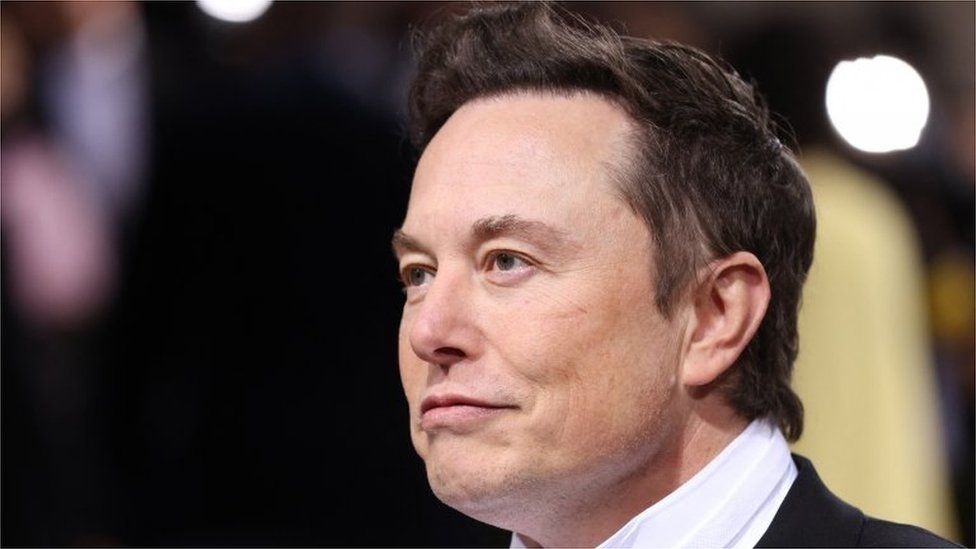
The IPO’s biggest beneficiary is SpaceX founder Elon Musk.
Already regarded as the world’s wealthiest individual before the listing, Musk’s substantial ownership stake in SpaceX has dramatically increased the value of his personal holdings.
Combined with his interests in Tesla, X, xAI, Neuralink, and The Boring Company, Musk’s estimated net worth has reportedly surpassed $1 trillion, making him the first individual in modern history to reach the milestone.
The achievement further widens the gap between Musk and other members of the global billionaire class, reinforcing his position at the centre of some of the world’s most valuable technology and innovation-driven companies.
SpaceX’s Rise From Startup to Global Powerhouse
Founded in 2002, SpaceX was initially created with the goal of reducing the cost of space travel and enabling human life beyond Earth.
Since then, the company has revolutionized the commercial launch industry through reusable rocket technology, secured major government and private-sector contracts, and built Starlink, one of the world’s largest satellite internet networks.
Its rapid growth has reshaped the global space sector and positioned the company as a critical player in communications, defense, transportation, and future space exploration initiatives.
What It Means for the Market
SpaceX’s public debut highlights a broader shift in investor interest toward companies developing foundational technologies with long-term economic impact.
The company’s valuation reflects more than its current revenue streams; it represents market expectations around satellite connectivity, commercial space infrastructure, lunar missions, and future interplanetary ambitions.
While questions remain about whether such valuations can be sustained over time, SpaceX’s market debut has already secured its place as one of the most significant financial events in recent history.
For investors, the listing marks the arrival of a new mega-cap technology company. For Elon Musk, it cements a legacy that spans electric vehicles, artificial intelligence, digital communications, and now the largest public-market debut the world has ever seen.