

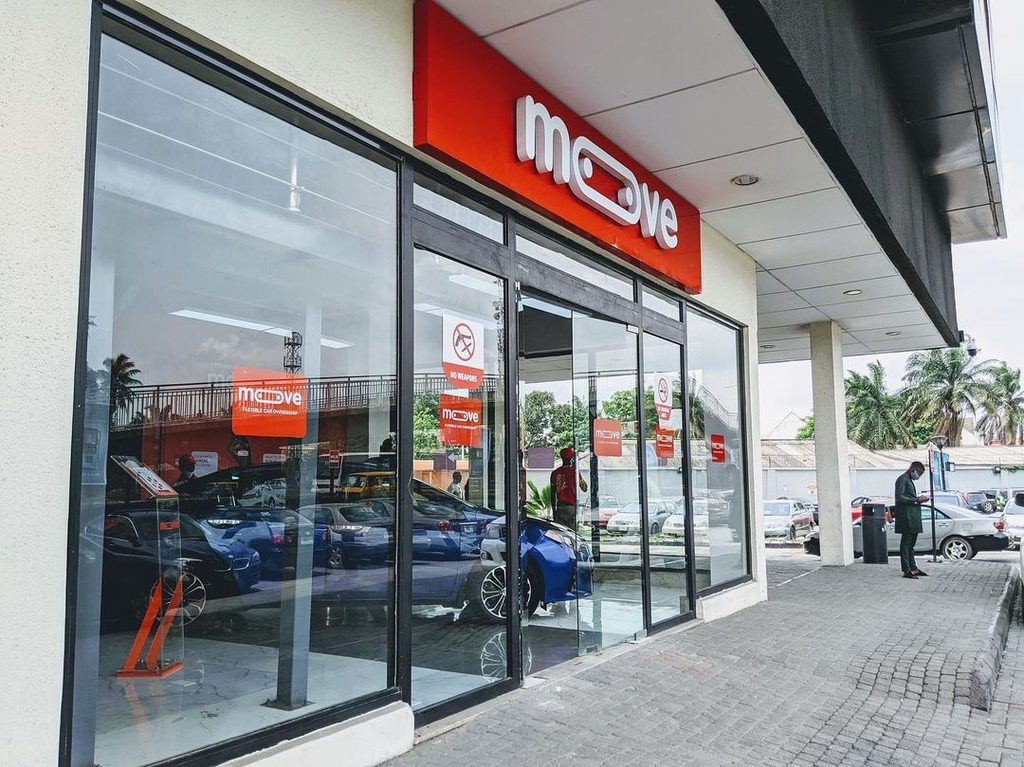
Nigeria-founded mobility company Moove is set to exit the Nigerian market, weeks after Uber announced its departure, in another major development for the country’s ride-hailing ecosystem.
Moove’s exit is significant not only because it is leaving the market where it was founded, but because of what it reveals about the growing difficulty of building sustainable mobility businesses in Nigeria.
The company, which built its early business around financing vehicles for ride-hailing drivers, plans to transfer ownership of vehicles worth more than ₦35 billion to its existing drivers at no cost.
For a company that has since grown into a global mobility business and reached unicorn status, the decision represents a major shift in its Nigerian operations.
From vehicle financing to a global mobility business
Moove was founded in Lagos to solve one of the biggest barriers facing ride-hailing drivers: access to vehicles.
Instead of requiring drivers to purchase cars upfront, Moove financed vehicles and allowed drivers to repay through their earnings.
The model positioned the company as an important part of Nigeria’s ride-hailing infrastructure, particularly through its relationship with Uber.
But that relationship also exposed Moove to the health of the wider ride-hailing market.
When Uber announced its Nigerian exit in September after 12 years in the market, it changed the economics of Moove’s original business model.
Why Nigeria’s mobility market is becoming harder
Nigeria has no shortage of transportation demand. The challenge is turning that demand into a sustainable business.
Fuel prices, vehicle maintenance, inflation and weaker consumer purchasing power have increased operating costs for drivers while limiting how much platforms can charge riders.
This creates a difficult equation.
Higher fares can push riders away. Lower fares squeeze driver earnings. Higher operating costs reduce margins for platforms and vehicle financiers.
For businesses like Moove, which also carry the cost of financing vehicles, the pressure becomes even more complicated.
Uber’s exit was therefore not simply the departure of another ride-hailing company. It highlighted the structural challenges facing the sector.
Moove’s ₦35 billion driver handover
Despite the exit, Moove says its Nigerian drivers will not simply be left without the vehicles they have been using.
The company plans to transfer ownership of vehicles worth more than ₦35 billion to its existing drivers for free.
Moove co-founder and co-CEO Ladi Delano described the decision as a way of thanking the drivers who supported the company from its early days in Nigeria.
The move could also provide some drivers with an important business asset at a time when the cost of acquiring vehicles remains high.
What Moove’s exit means for Nigeria
Moove’s departure creates an interesting contradiction for Nigeria’s mobility market.
The country has a huge population, growing urban centres and enormous transportation needs. On paper, that should make it an attractive market for mobility companies.
But large demand does not automatically translate into strong business economics.
For investors and operators, the bigger question is whether mobility companies can simultaneously offer affordable transportation, provide drivers with sustainable incomes and generate enough returns to justify the capital required to operate.
Moove’s exit, coming shortly after Uber’s departure, suggests that this balance is becoming increasingly difficult.
The market is still likely to have room for players such as Bolt, inDrive and local mobility operators. But the companies that survive may need to rethink how they price rides, finance vehicles, support drivers and manage operating costs.
For Nigeria’s mobility sector, the lesson may be simple: the opportunity is huge, but the business model has to work.