

Google has opened its SynthID Detector to the public, giving Nigerians another way to check whether suspicious images, videos and audio clips were created or altered using AI.
The move comes as Nigeria approaches the 2027 general elections, when synthetic media could increasingly be used to spread misleading claims about candidates, political parties and events.
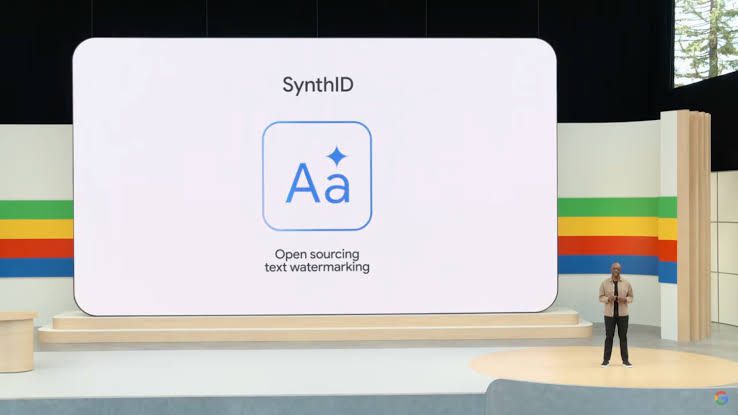
How SynthID works
SynthID uses an invisible watermark embedded in AI-generated content. Users can upload an image, video or audio file to check whether it contains a compatible AI watermark.
Google says more than 180 billion images and videos and 240,000 years of audio content have already been watermarked through SynthID.
First launched in 2023, SynthID was initially targeted at media professionals before being expanded to the wider public.
The detector can identify compatible content created by Google’s AI systems and participating partners, including OpenAI, NVIDIA and Kakao, while Apple is expected to join the system.
What Nigerians should know
SynthID is not a universal AI detector. It can only identify content carrying a compatible watermark.
That means a result showing no SynthID watermark does not automatically mean that a piece of content was created by a human. Users should still verify the original source, compare reports from credible news organisations and use established fact-checking methods.
Google says SynthID Detector joins other verification features available across Search, Gemini and Chrome, which collectively handle more than one million requests daily.
With Nigeria’s 2027 elections approaching, the tool could become useful for citizens, journalists and fact-checkers trying to separate authentic media from AI-generated content.