


For many people in Nigeria, having network coverage is something they barely think about. But in some rural communities, making a phone call, accessing the internet or even using a digital service can still be a struggle.
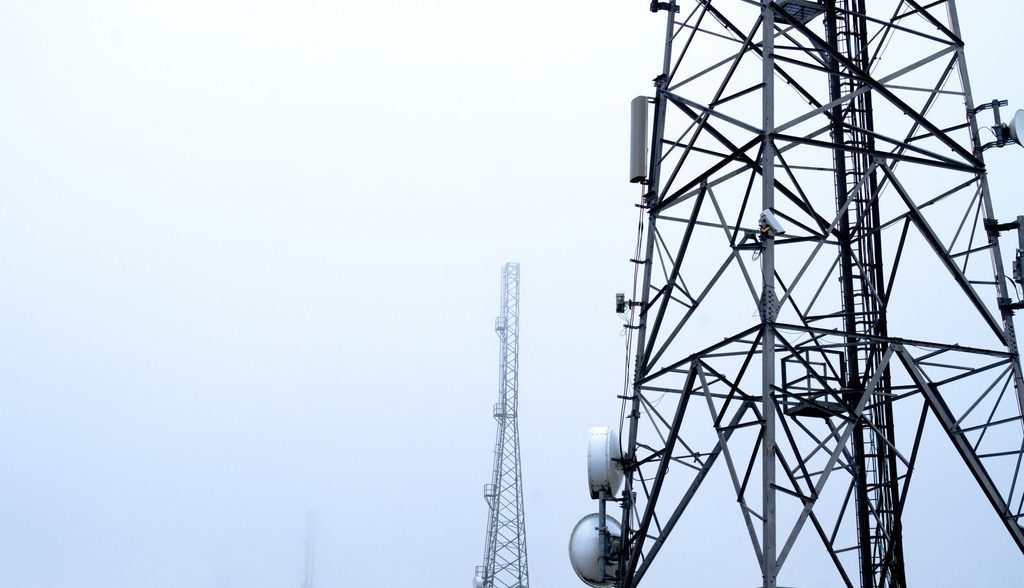
The Federal Government is now looking at a different approach to closing that gap: community-owned telecom towers powered by solar energy.
The government has set a six-month target to secure funding for telecom towers and rural networks in communities with little or no connectivity. The initiative is part of a wider push to expand Nigeria’s digital infrastructure while reducing the cost and energy challenges that come with operating telecom sites in underserved areas.
The plan emerged from the Nigerian Communications Commission’s Nigeria Digital Connectivity Investment Forum, organised in partnership with Swedfund and Ookla.
How will the towers be funded?
The proposed model brings several government institutions to the table.
The Universal Service Provision Fund (USPF) will support the telecommunications infrastructure, including towers, base stations, small cells, backhaul and core infrastructure.
The Rural Electrification Agency (REA), on the other hand, will handle the energy side, including solar panels, batteries and mini-grids needed to keep the sites running.
State governments will also have a role to play by providing land, security and Right of Way.
But there is an interesting twist.
Rather than leaving the infrastructure entirely in the hands of government or a mobile network operator, the communities themselves will have ownership through cooperatives.
This means communities could help maintain the infrastructure, participate in revenue sharing and have a direct stake in keeping the network sustainable.
It is a model that could make rural connectivity more than just a government project. It could become a community asset.
The bigger problem isn’t just network coverage
Nigeria has made progress in expanding mobile broadband coverage, with the NCC putting coverage at about 90% of the population.
But coverage doesn’t automatically mean usage.
Smartphone ownership is still around 27%, while broadband penetration stands at 57.4%, below the government’s 70% target.
For someone living in a rural community, having a telecom tower nearby means little if they cannot afford a smartphone, lack digital skills or cannot afford to use the internet regularly.
That is why device affordability remains an important part of the conversation.
The government is already exploring initiatives including shared rural networks, satellite connectivity, micro-cabling, solar-powered rural sites and local manufacturing of devices and SIM cards.
Still, the infrastructure has to meet the people.
Stakeholders at the investment forum also called for faster delivery of Project BRIDGE, the government’s planned 90,000-kilometre national fibre backbone.
The project is expected to roll out in phases between 2026 and 2030 and is designed to strengthen the middle-mile infrastructure needed to move connectivity across the country.
The government is also targeting a 3,700-tower rollout in underserved communities, with deployment expected to begin in October and 200 towers targeted for completion by December 2026.
If these projects move as planned, rural communities could gradually become better connected to digital services, businesses, education and financial opportunities.
The financing question
There is, however, another issue that cannot be ignored: how the infrastructure will be financed sustainably.
Digital infrastructure can remain useful for 20 to 30 years, but stakeholders argue that financing such long-term assets with short five-year bank tenors makes little sense.
The forum therefore called for longer-term financing, blended funding and policies that can reduce the cost of capital for digital infrastructure.
Telecom operators and technology companies are also being encouraged to adopt shared infrastructure and neutral-host models, which can reduce the cost of extending coverage to rural and indoor areas.
Nigeria’s connectivity challenge is no longer simply about building more towers.
It is about building infrastructure that communities can afford, maintain and actually use.
And if the community-owned solar tower model works, rural Nigerians may not just get better network coverage. They could also get a direct stake in the digital infrastructure connecting them to the rest of the country.