


Ghana is taking another step towards expanding its 5G network as the National Communications Authority (NCA) awards additional spectrum to Telecel Ghana, paving the way for the telecom operator to launch its own 5G services by December 2026.
The operator secured all three spectrum lots it applied for in the 2.3 GHz band, a move expected to increase its network capacity and support the delivery of faster mobile broadband services.
The development follows Ghana’s decision to end the exclusive 5G deployment arrangement previously held by Next Gen InfraCo (NGIC), a state-backed wholesale network provider that partnered with India’s Reliance Industries.
Telecel secures spectrum for independent 5G rollout
According to a Bloomberg report, the new spectrum allocation gives Telecel greater control over its 5G deployment plans.
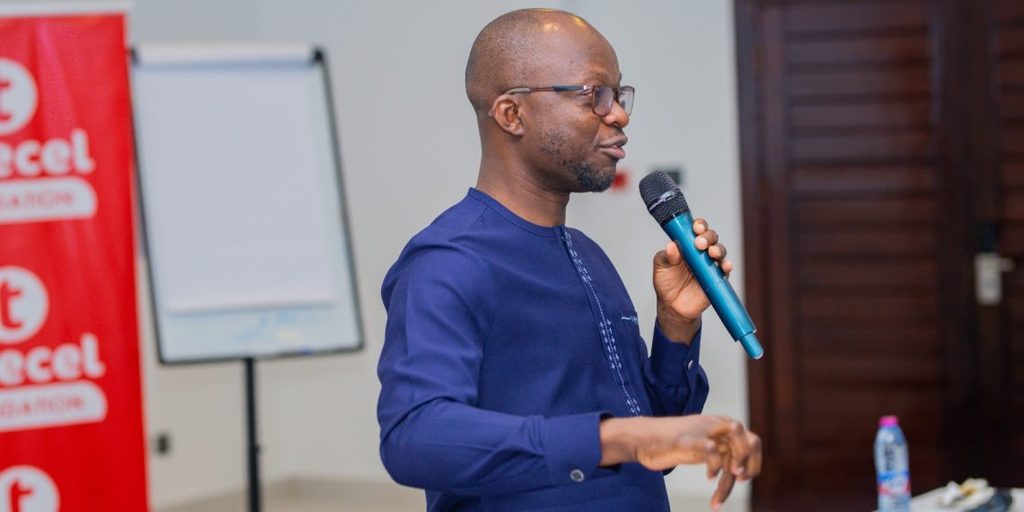
The company’s Director of External Affairs, Komla Buami, described the award as an important milestone towards commercial 5G deployment, noting that it would strengthen network capacity, improve service quality and support Ghana’s digital economy.
Although the final amount paid by Telecel has not been disclosed, the NCA had previously set a minimum price of $10 million for each of the five spectrum lots offered in the 2.3 GHz band.
Telecel plans to begin rolling out 5G services on its own network by December.
The company is jointly owned by the Telecel Group, which holds a 70% stake, and the Ghanaian government, which owns the remaining 30%.
Ghana changes its 5G deployment strategy
The spectrum award marks a shift in Ghana’s approach to 5G infrastructure.
Previously, NGIC held exclusive rights to develop and operate the country’s wholesale 5G network, which was designed to provide infrastructure that multiple telecom operators could use.
However, the arrangement faced challenges after NGIC reportedly deployed only 16 of the 50 sites required in Accra and Kumasi.
The government subsequently moved to end the exclusive arrangement, opening the door for individual operators to secure spectrum and develop their own networks.
Both Telecel and MTN had expressed interest in acquiring 5G spectrum, although the status of MTN’s application remains unclear based on the available report.
Ghana targets 70% 5G population coverage by 2027
Ghana’s latest move aligns with its ambition to achieve 70% population coverage with 5G by 2027, the year the country celebrates its 70th independence anniversary.
Allowing telecom operators to build and manage their own 5G infrastructure could accelerate deployment by encouraging competition and investment in network capacity.
For Telecel, the upcoming rollout presents an opportunity to strengthen its position in Ghana’s telecommunications market while competing in the country’s next phase of mobile connectivity.
With its December launch target approaching, attention will now turn to how quickly the operator can deploy its network and extend coverage to consumers and businesses.