

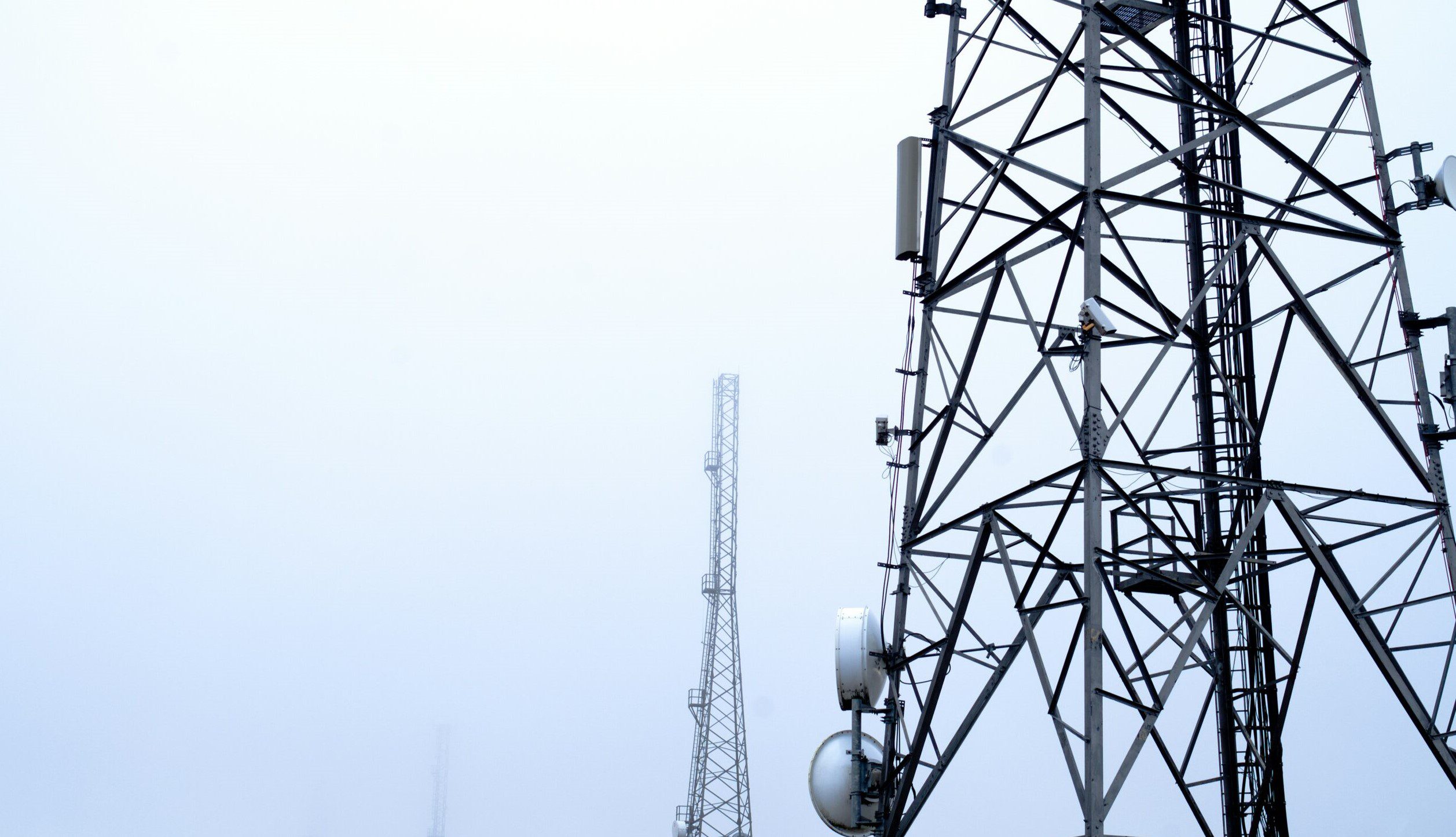
The United States is set to deploy 1,500 U.S.-made base stations across Nigeria, Ghana, Benin, and Côte d’Ivoire in a major effort to improve rural connectivity and expand internet access to underserved communities across West Africa.
The initiative, backed by the United States Trade and Development Agency (USTDA), is expected to strengthen digital infrastructure in regions that continue to suffer from weak or non-existent broadband coverage.
The project will utilise wireless technology developed by Vanu Inc., a U.S.-based company known for designing software-driven radio systems tailored for difficult and low-income environments. The technology is expected to provide wider and more cost-effective network coverage for rural communities that remain disconnected from reliable internet access.
Speaking on the initiative, Thomas Hardy, Deputy Director of the USTDA, said the project is aimed at delivering affordable and trusted internet access while also creating opportunities for American technology companies in emerging markets.
“USTDA is bringing private sector solutions to unlock widespread, affordable, trusted internet access in off-grid communities across West Africa,” Hardy stated.
The deployment comes amid increasing efforts by Western nations to expand infrastructure partnerships across Africa and reduce the region’s heavy dependence on Chinese telecoms providers, which have dominated African telecommunications infrastructure development for years.
Once deployed, the base stations are expected to improve internet access for millions of people currently dependent on unstable 2G and 3G networks. The initiative is also expected to support telecom operators looking to expand into underserved rural markets where infrastructure costs remain significantly high.
Africa’s rural connectivity challenge remains one of the continent’s biggest digital inclusion barriers. According to industry data, nearly half of rural communities across Africa still lack mobile broadband coverage entirely, while many others only have access to slow and unreliable networks.
Most telecom investments across the continent have historically focused on urban fibre and 5G expansion, leaving remote communities behind due to poor infrastructure, unreliable electricity supply, vandalism, and high deployment costs.
A November 2024 GSMA report noted that operating rural telecom base stations in Africa costs operators between 35% and 40% more than urban deployments. The costs are driven largely by expensive diesel-powered energy systems used in areas with limited or unreliable grid electricity.
Industry stakeholders have repeatedly highlighted that low returns on investment discourage operators from aggressively expanding into rural regions despite growing demand for digital services.
The USTDA-backed initiative is therefore expected to provide a much-needed infrastructure boost that could help telecom operators reduce capital expenditure burdens while accelerating broadband penetration across underserved communities.
The move also aligns with broader global competition around critical digital infrastructure, as countries increasingly seek trusted technology partnerships for telecommunications, cybersecurity, and digital transformation.
For Nigeria and other participating countries, the deployment could play a significant role in improving digital inclusion, supporting rural businesses, expanding access to online education, and enabling greater participation in the digital economy.
As Africa’s digital economy continues to expand, infrastructure investments targeted at rural connectivity are becoming increasingly important in closing the continent’s widening digital divide.