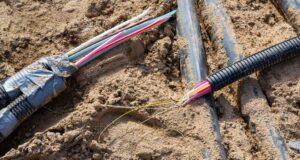


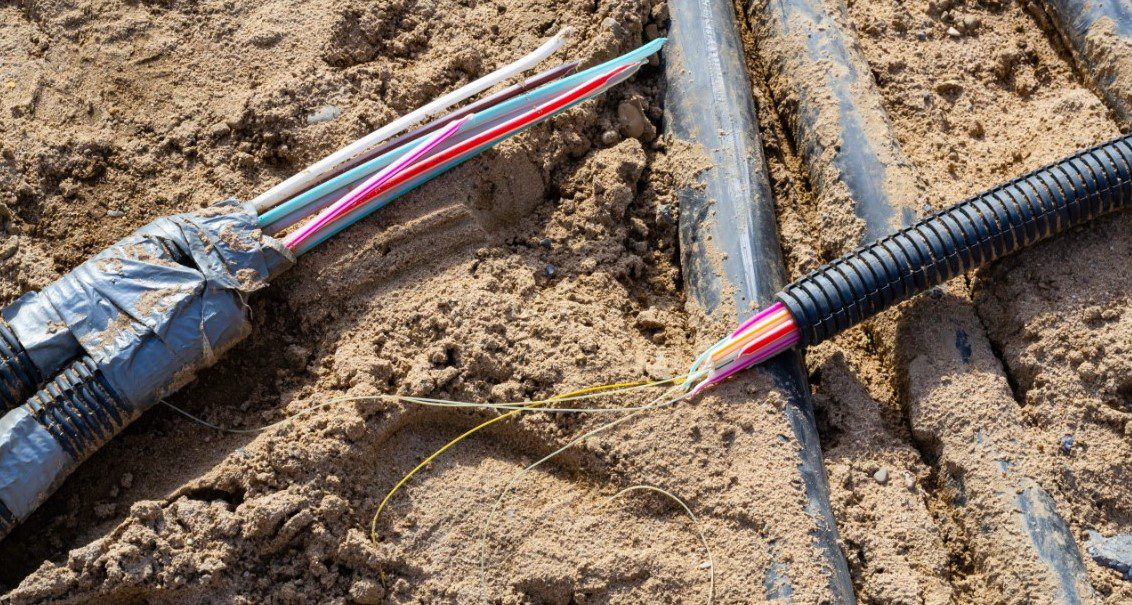
Nigeria’s telecommunications sector faced severe infrastructure disruptions in the first quarter of 2026, with operators including MTN Nigeria, Airtel Nigeria, and Globacom collectively recording 5,934 fibre cuts within three months.
Industry data released by the Nigerian Communications Commission (NCC) shows the sector experienced an average of nearly 500 fibre cuts weekly during the first 12 weeks of the year, highlighting the growing fragility of Nigeria’s telecom infrastructure.
For millions of subscribers, these disruptions translated into recurring dropped calls, unstable internet connectivity, and degraded service quality across mobile and broadband networks.
Infrastructure Damage Continues To Pressure Operators
The scale of fibre cuts reflects mounting operational pressure on telecom companies already grappling with rising infrastructure costs and increasing demand for digital services.
As mobile and internet penetration continue to grow nationwide, operators are being forced to balance network expansion with persistent disruptions caused by environmental damage, construction activity, vandalism, and theft.
Each fibre cut often triggers emergency repair operations, increasing operational expenditure while slowing long-term infrastructure investments.
Degradation Emerged As The Biggest Cause
According to NCC data, infrastructure degradation was the leading cause of fibre cuts during the quarter, accounting for 4,756 incidents.
The category includes environmental deterioration, industrial waste impact, natural wear, and human-related damage affecting fibre infrastructure.
Road construction activity ranked second with 509 incidents, followed by cable faults with 221 cases. Other contributors included:
- 196 cases of vandalism
- 153 surface cable damage incidents
- Bush burning, termite attacks, core breaks, and planned maintenance activities
March recorded the highest number of fibre cuts at 3,855 incidents, while February saw the lowest with 480 cases. January accounted for 1,599 incidents.
Network Outages Remained Widespread
Separate data from the NCC’s uptime monitoring portal revealed that telecom operators and internet service providers suffered 577 network outages during the quarter.
January recorded the highest number of outages at 238 incidents, followed by:
- 189 outages in February
- 150 outages in March
Fibre cuts and power failures remained the dominant causes, accounting for 361 and 144 incidents respectively.
The recurring outages continue to expose the sector’s dependence on vulnerable infrastructure systems in a market increasingly reliant on digital connectivity.
Telecom Equipment Theft Intensifies Sector Challenges
Beyond fibre damage, operators also battled rising equipment theft.
The industry recorded 1,118 telecom-related theft cases during the period, including:
- 469 cable theft incidents
- 346 diesel theft cases at base stations
- 106 battery theft incidents
- 36 generator theft cases
Despite telecom infrastructure being designated as critical national infrastructure by the federal government, operators continue to face recurring losses tied to vandalism, sabotage, and theft.
Pressure Mounts As Regulators Demand Better Service
The infrastructure challenges come at a sensitive time for telecom operators, especially after the NCC introduced directives requiring operators to compensate subscribers for prolonged poor service quality.
While subscribers have begun receiving airtime compensation from providers such as MTN and Airtel, the root causes behind deteriorating network quality remain unresolved.
Industry experts argue that compensation alone cannot solve systemic infrastructure weaknesses.
Operators Turn To Proactive Monitoring
To reduce losses and improve response times, experts are urging telecom companies to invest in advanced monitoring systems and predictive infrastructure management tools.
Recommended measures include:
- CCTV surveillance at telecom sites
- Real-time fibre-cut alarms
- Power anomaly detection systems
- Predictive maintenance technologies
These tools are expected to help operators detect suspicious activity early and minimize downtime caused by sabotage or infrastructure failure.
Nigeria’s telecom sector sits at the center of the country’s digital economy, supporting banking, e-commerce, remote work, education, and government services. But persistent infrastructure damage continues to threaten network reliability at a time when demand for connectivity is accelerating.
For operators, the challenge is no longer just expanding coverage, it is protecting the infrastructure that keeps the country connected.