

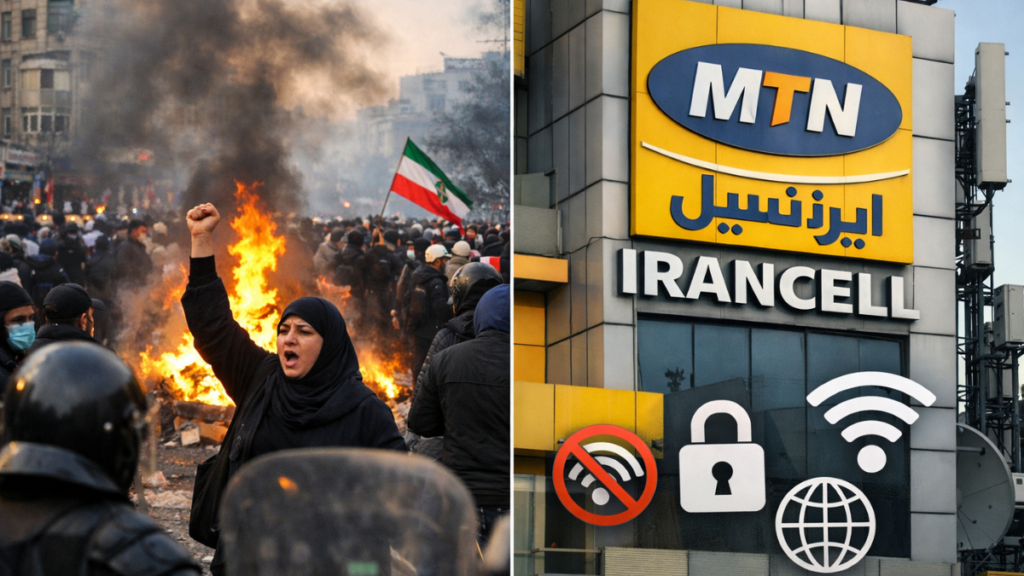
When a telecom company becomes part of street protests and internet blackouts, the issue is no longer just about profit or market share. This is the difficult position MTN Group now finds itself in, as unrest in Iran places the African telecom giant at the centre of a growing political, ethical, and reputational storm. Fresh protests across Iran, driven by rising inflation and a sharply weakened currency, have once again exposed the tense relationship between the Iranian state, its citizens, and companies that control critical infrastructure. As demonstrations spread, authorities responded with force and imposed widespread internet shutdowns. MTN’s Iranian affiliate, MTN Irancell, was among the telecom operators required to enforce the blackout, according to reports by MyBroadband. For MTN, this moment has renewed calls for a full exit from Iran. Economist Iraj Abedian has been particularly vocal, warning that staying puts the company in a “lose-lose” situation. In his view, MTN either remains and risks being seen globally as enabling repression, or leaves and absorbs significant financial losses in the short term.
Why internet shutdowns are no longer just a technical issue
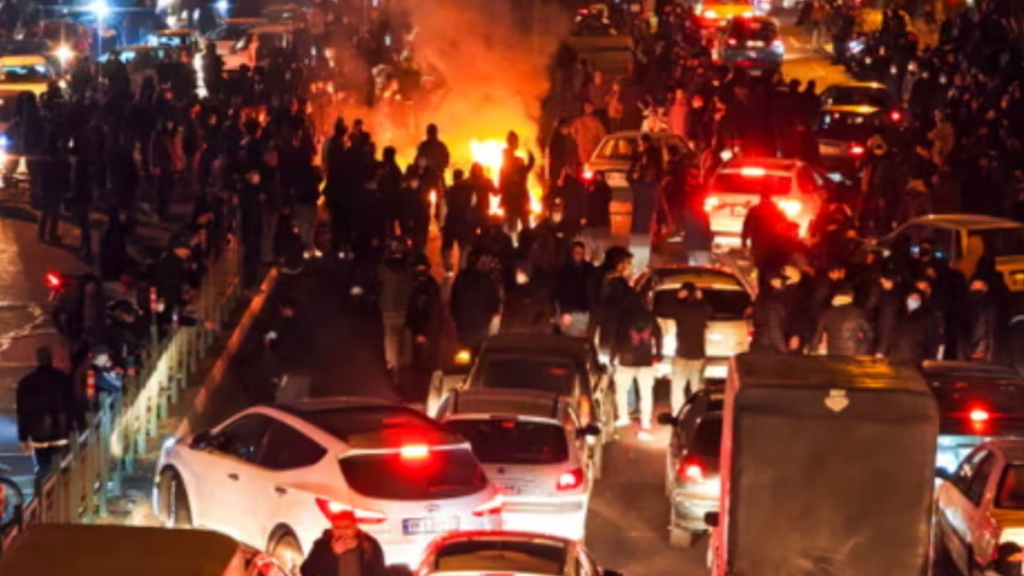
At the heart of the controversy is the role of telecom companies in enforcing internet restrictions during political unrest. Internet shutdowns are often presented as security measures, but human rights groups argue they are powerful tools used to silence dissent and limit the flow of information. By complying with government orders, MTN Irancell may be acting within Iranian law, but critics say legality does not remove responsibility. Abedian argues that global brands are increasingly judged not just by what the law allows, but by what society considers ethical. In today’s connected world, companies can be held accountable years later for decisions made during crises. This reputational risk is especially serious for MTN, a company that operates across Africa and the Middle East and depends heavily on public trust. Investors and international partners are paying closer attention to how firms behave in politically sensitive environments, particularly where human rights are concerned.
Why exiting Iran is far more complicated than it sounds
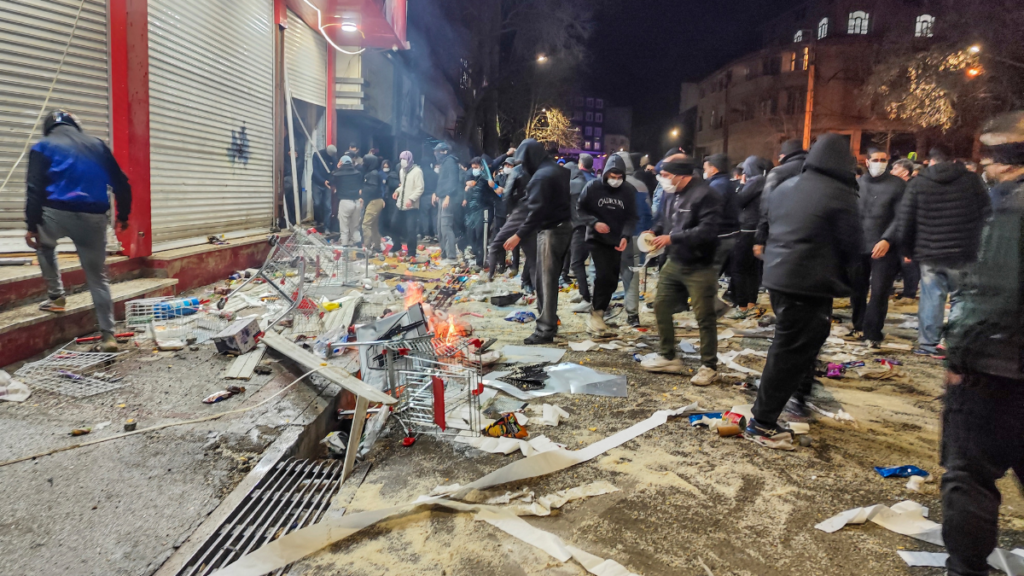
Although MTN has been reducing its exposure to the Middle East since 2020, Iran remains a unique challenge. The group has already exited markets such as Syria, Afghanistan, and Yemen. Iran, however, is effectively a financial trap. Due to United States sanctions, MTN cannot easily sell its stake in MTN Irancell, move money into the country, or repatriate profits. MTN CEO Ralph Mupita has described the investment as a “frozen asset,” highlighting the company’s limited options (MyBroadband, 2026). MTN also insists it has not injected new capital into Iran or taken dividends since sanctions were reimposed in 2018. At the same time, the company is facing civil lawsuits and a reported US grand jury probe related to historical operations in conflict zones, claims MTN strongly denies. Against this backdrop, critics warn that waiting for conditions in Iran to improve may expose the brand to even greater long-term damage. As Abedian bluntly puts it, hoping for a miracle is not a strategy. History shows that companies linked to repression can face consequences long after the protests fade.