


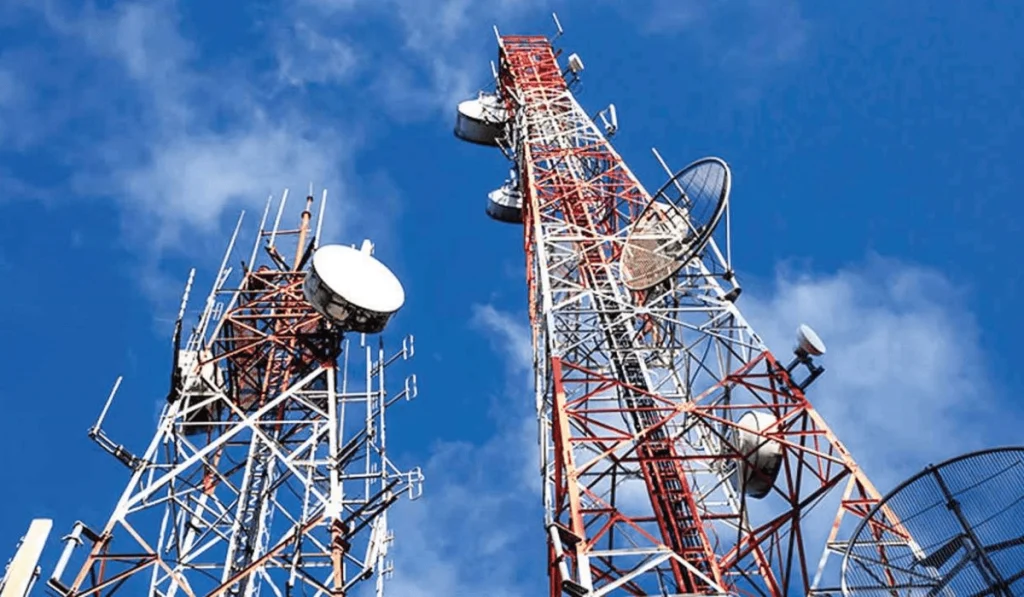
Nigerian telecom operators have deployed 8,526 network sites out of 12,179 committed coverage and capacity sites for 2026, representing a 70% delivery rate, according to the Nigerian Communications Commission (NCC).
The figure was disclosed during the NCC Board’s 110th Meeting held on September 9, 2026, as operators continue efforts to expand network coverage and improve service quality across the country.
The infrastructure rollout is part of commitments made by Mobile Network Operators (MNOs) following the 50% telecom tariff adjustment introduced in May 2026.
Operators add 3,526 sites since May
The NCC said the latest figure builds on the 5,000 network sites previously reported at its 109th meeting.
This means operators deployed an additional 3,526 sites between May and August 2026, bringing total deployment to 8,526.
The expansion comes as Nigeria’s telecom subscriber base continues to grow. The country recorded 195.1 million telecom subscribers in July 2026, up from 192.23 million in June.
MTN Nigeria remained the largest operator with 100.9 million subscribers, representing about 52.1% of the market. Airtel followed with 66.76 million, while Globacom had 23.63 million and T2mobile recorded 3.61 million subscribers.
More infrastructure, better connectivity
Although the NCC did not specify the network technology used across the new sites, the additional infrastructure is expected to help improve network coverage, data speeds and overall quality of experience.
The rollout could also help reduce congestion in densely populated areas, particularly cities and locations experiencing heavy network traffic.
With more Nigerians relying on mobile networks for digital payments, banking, business, education, healthcare and other essential services, network infrastructure has become increasingly critical to the country’s digital economy.
Fibre cuts remain a major challenge
Despite the expansion, the NCC continues to face concerns over damage to fibre-optic infrastructure.
The commission previously disclosed that Nigeria recorded more than 5,000 fibre cuts during the first six months of 2026, with road construction and rehabilitation activities identified as major contributors.
The NCC Board noted that fibre cuts contributed to increased network disruptions in June, highlighting the need to protect the infrastructure supporting Nigeria’s digital connectivity.
To address the issue, the commission has established a Standing Committee on the Protection of Fibre Optic Cables, comprising representatives from the Federal Ministry of Works and the Federal Ministry of Communications, Innovation and Digital Economy.
The committee is expected to develop better coordination mechanisms for protecting fibre infrastructure before, during and after road construction projects.
As operators work toward completing the remaining 3,653 committed sites, the NCC is also pushing for stronger infrastructure protection to ensure that network expansion translates into more reliable connectivity for Nigerians.