

Nigeria’s leading telecom operators, including MTN, Airtel, Globacom, and other industry players, are spending an estimated ₦72 billion every month on diesel to keep network infrastructure running amid the country’s persistent electricity crisis.
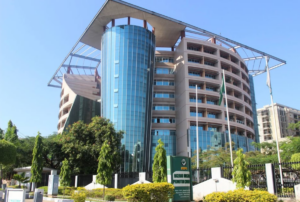
The figure was disclosed by Yusuf Sheriff, Special Adviser on Strategy to the Executive Vice Chairman of the Nigerian Communications Commission (NCC), during the National Telecommunications Policy 2000 Review Workshop organised by the regulator.
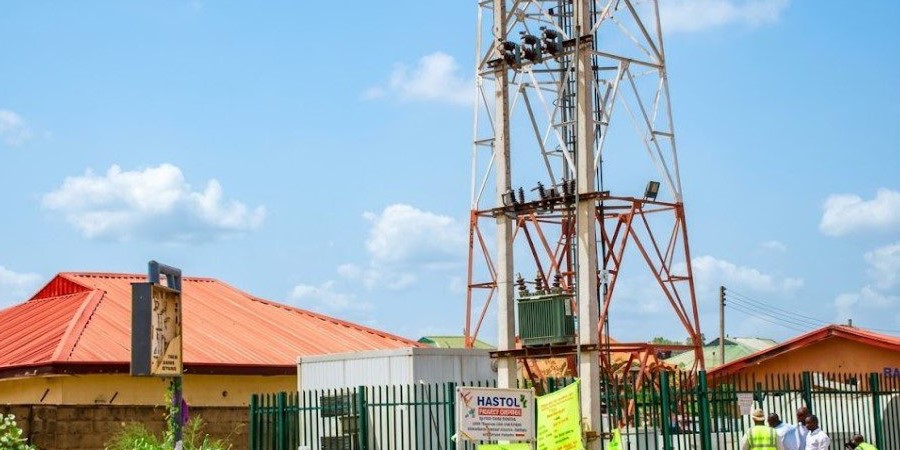
Speaking during a panel session focused on international telecommunications policy and industry best practices, Sheriff revealed that telecom operators consume approximately 40 million litres of diesel monthly to power telecom towers and network infrastructure nationwide.
With diesel prices currently ranging between ₦1,800 and ₦1,950 per litre across major Nigerian cities, the estimated operational cost at the lower benchmark translates to roughly ₦72 billion monthly.
The disclosure highlights the growing financial burden unstable electricity supply continues to place on Nigeria’s telecommunications industry, one of the country’s most critical digital infrastructure sectors.
Telecom Infrastructure Under Pressure
Nigeria’s telecom operators depend heavily on diesel-powered generators to maintain network uptime because of unreliable public electricity supply.
For an industry responsible for powering digital payments, internet connectivity, remote work, financial technology platforms, and enterprise communications, power instability directly affects both operational costs and service quality.
Sheriff noted that inadequate power generation and distribution continue to undermine the delivery of quality telecom services while also slowing the expansion of digital connectivity nationwide.
According to him, the rising operational expenses associated with diesel consumption reduce operators’ ability to invest in network expansion, fibre infrastructure, and next-generation technologies such as 4G and 5G.
Industry analysts have long argued that high energy costs are one of the biggest barriers to improving network quality and expanding connectivity into underserved rural communities.
Why the Cost Matters Beyond Telecoms
The telecom sector’s dependence on diesel reflects a broader structural problem within Nigeria’s economy.
Across industries, businesses are increasingly forced to rely on expensive alternative energy sources because of unstable grid electricity. For telecom operators, however, the stakes are especially high because network outages affect millions of consumers and businesses simultaneously.
Higher operating costs also place pressure on pricing, infrastructure investments, and long-term industry sustainability.
Sheriff emphasised that addressing Nigeria’s electricity challenges will be critical to achieving the targets expected from the ongoing telecommunications policy review.
“Nigeria needs to address this issue to close the connectivity gap, and the NCC must prioritise incentives to reduce these constraints in the ongoing policy review,” he said.
He added that the speed at which regulators and government institutions resolve infrastructure bottlenecks will determine how quickly Nigeria catches up with other African markets in broadband penetration, fibre deployment, and 4G/5G quality.
As Nigeria pushes toward a more digitally driven economy, the telecom industry’s growing dependence on diesel raises larger questions about infrastructure sustainability, energy reform, and the long-term cost of powering Africa’s largest telecom market.