


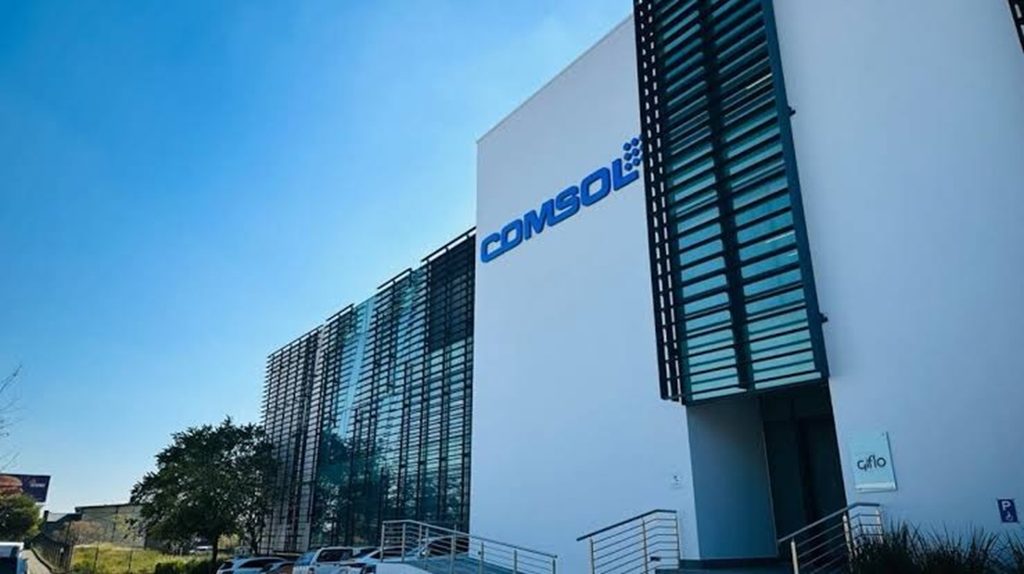
South African telecommunications company Comsol has secured a multibillion-rand investment to accelerate the rollout of a national wholesale 5G broadband network, positioning the company to become a major player in the country’s digital infrastructure market.
The company has already begun deploying the network, which currently reaches more than one million households, with plans to expand coverage across South Africa by the end of 2026. Comsol is targeting approximately 2,000 base stations nationwide.
Unlike traditional telecom operators that sell directly to consumers, Comsol operates a wholesale-only model. Its network infrastructure will be made available to internet service providers (ISPs), mobile virtual network operators (MVNOs) and other resellers, which can then use the capacity to offer broadband services to their customers.
A different approach to 5G
Comsol’s strategy is designed to reduce the cost and complexity of 5G deployment for smaller service providers.
Rather than each company investing heavily in its own network infrastructure, multiple providers can use Comsol’s network. This could encourage more competition in the broadband market while expanding access to high-speed connectivity.
The model also allows Comsol to avoid competing directly with the businesses that depend on its infrastructure, creating an infrastructure partnership rather than another consumer-facing telecom brand.
Why the investment matters
South Africa’s 5G market is already led by major operators including MTN, Vodacom, Rain and Telkom. Comsol’s entry adds another layer to the market by focusing on infrastructure rather than retail services.
The company’s planned 2,000-base-station network could also help extend high-speed broadband to underserved and peri-urban communities where traditional infrastructure remains limited.
For smaller ISPs and MVNOs, access to a nationwide wholesale 5G network could lower the barrier to entering the broadband market. For consumers, increased competition among service providers could eventually translate into more broadband options and potentially more competitive prices.
However, Comsol has not disclosed the investors behind the multibillion-rand funding or whether the investment is structured as debt, equity or a combination of both.
The scale of the investment nevertheless signals growing interest in Africa’s digital infrastructure market as demand for reliable, high-speed connectivity continues to rise.