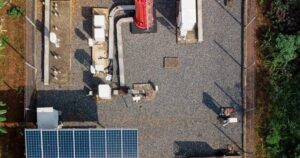


Airtel Nigeria has deployed 200 solar-powered telecom towers across the country within one year, as the operator seeks to reduce dependence on diesel and improve network efficiency amid rising energy costs.
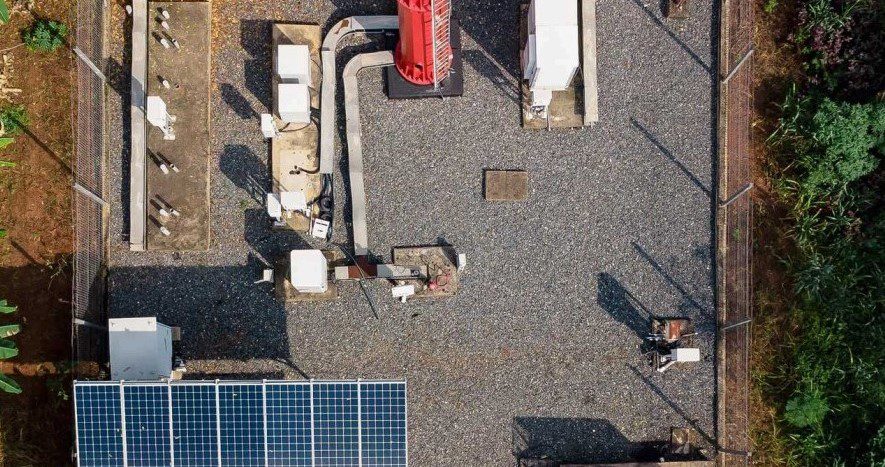
According to Airtel Africa’s 2025/26 annual report, the towers were installed between April 2025 and March 2026 in both rural and urban locations. The company said the initiative has delivered significant operational benefits, including a 21 percent increase in network uptime and a 90 percent reduction in monthly maintenance costs.
The move comes as telecom operators grapple with Nigeria’s persistent power supply challenges and escalating diesel prices, which have become a major burden on operating expenses. Industry stakeholders have repeatedly warned that the cost of powering telecom infrastructure threatens profitability and could slow network expansion efforts.
Airtel said the solar-powered “lean sites” were designed to provide mobile coverage and network capacity without relying on diesel generators or conventional large tower installations. Beyond cost savings, the initiative has also helped reduce carbon emissions, aligning with the company’s sustainability objectives.
The deployment reflects a broader shift across Nigeria’s telecommunications sector as operators increasingly explore alternative energy sources such as solar, gas-powered systems, and shared infrastructure models. The goal is to ensure uninterrupted connectivity while managing operational costs more effectively.
Industry data suggests that Nigerian telecom operators collectively consume millions of litres of diesel monthly to power network infrastructure, making energy one of the sector’s largest cost drivers. As demand for data and digital services continues to grow, investments in renewable energy solutions are becoming increasingly critical.
For Airtel Nigeria, the solar tower rollout represents both a sustainability initiative and a strategic business decision aimed at supporting network expansion while improving operational efficiency.
The company’s financial performance also reflected strong growth during the period. Airtel Nigeria remained Airtel Africa’s largest market by revenue, generating $1.6 billion and accounting for 25 percent of the group’s total revenue. Operating profit rose by 78.5 percent to $542 million during the financial year.
As telecom operators continue to navigate economic pressures and infrastructure challenges, Airtel’s investment in solar-powered sites may serve as a model for sustainable network operations across Nigeria’s digital economy.