

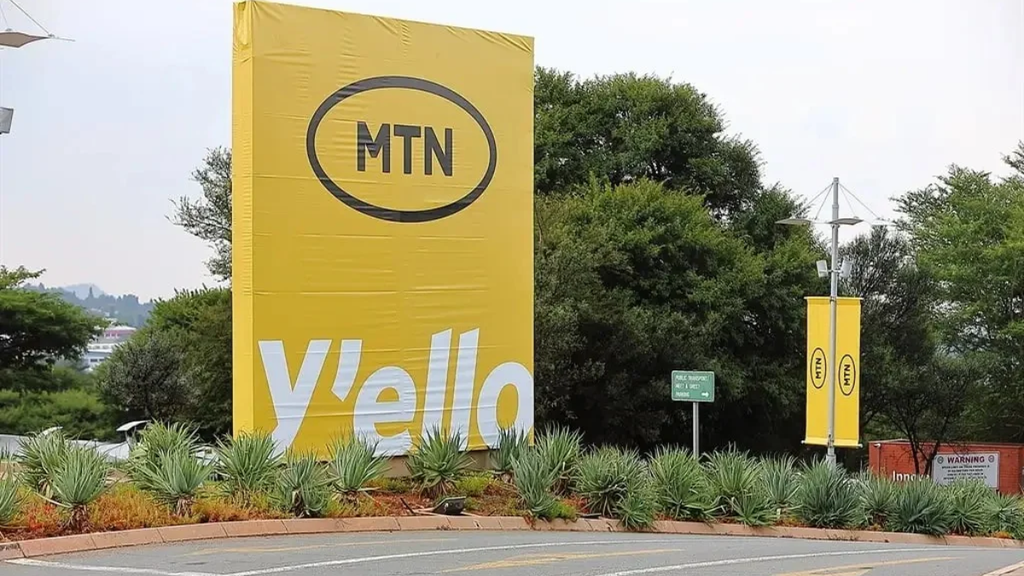
MTN Group has reopened discussions to acquire South African telecommunications operator Telkom SA SOC Limited, reviving a takeover proposal that collapsed in 2022 and potentially setting the stage for a major consolidation in the country’s telecommunications industry.
In a cautionary announcement to shareholders on November 16, 2026, MTN confirmed that it had entered discussions with Telkom, which, if successful, could lead to an offer for the company’s entire issued share capital.
The proposed transaction is currently expected to be settled in cash, although Telkom shareholders could be given the alternative of receiving MTN shares. However, the terms, including the final form of consideration, remain subject to negotiation.
Both companies emphasised that discussions are at an early stage and there is no certainty that an acquisition will be concluded.
Why MTN Wants Telkom
An acquisition would give MTN access to a broader telecommunications infrastructure base in South Africa, combining its existing mobile operations with Telkom’s mobile subscriber base, fibre network and enterprise technology business.
Telkom operates through several business units, including Openserve, its fixed-network and fibre infrastructure subsidiary, and BCX, which provides information and communications technology services to businesses.
These assets could help MTN expand its fixed-connectivity offerings, strengthen its enterprise business and increase its capacity to deliver broadband services without having to build all the necessary infrastructure independently.
Telkom’s mobile business also represents a significant opportunity. The company reported approximately 25 million mobile subscribers in its financial year ended March 31, 2026, alongside group revenue of R44.5 billion.
Its data business contributed R26.6 billion in revenue, representing approximately 60% of group revenue, while its fibre network continued to expand, with homes connected reaching 817,540.
For MTN, which already operates one of South Africa’s largest mobile networks, acquiring these assets could accelerate its expansion across mobile and fixed-line connectivity.
A Potential Challenge to Vodacom’s Market Position
The proposed acquisition could significantly alter the competitive balance in South Africa’s telecommunications market.
MTN and Telkom currently compete alongside Vodacom and Cell C. Bringing their mobile operations together would create a substantially larger competitor to Vodacom, which currently leads the market.
A combined MTN and Telkom business could overtake Vodacom in mobile customer numbers, with the two companies together serving more than 65 million mobile customers, compared with Vodacom’s approximately 46 million.
The combination would also bring together complementary infrastructure and business operations, potentially creating opportunities for network efficiencies, wider coverage and increased investment in connectivity.
However, a larger combined business does not automatically translate into better outcomes for consumers.
With fewer independent mobile operators competing in the market, regulators and consumer groups could raise concerns about market concentration, pricing, network access and the ability of smaller operators to compete.
These issues are likely to feature prominently in any regulatory assessment if the companies eventually agree on a transaction.
Why the Previous Acquisition Talks Failed
This is not the first time MTN has attempted to acquire assets or secure a larger combination with Telkom. In 2014, the two companies explored an arrangement involving Telkom’s radio access network. Under the proposal, MTN would assume financial and operational responsibility for rolling out and operating the network, while both companies would have access to each other’s mobile infrastructure.
However, South Africa’s Competition Commission recommended against approving the arrangement in August 2015, raising concerns that it could reduce competition in the telecommunications market and give MTN access to additional spectrum capacity.
The companies subsequently decided not to proceed with the proposal.
The discussions returned in July 2022, when MTN confirmed that it was exploring the acquisition of Telkom’s entire issued share capital. The proposed transaction was expected to create a larger telecommunications business, but negotiations eventually broke down.
On October 18, 2022, MTN terminated the discussions after Telkom was unable to provide assurances around exclusivity, as it was also considering a separate proposal from data-focused operator Rain.
Rain had proposed a combination involving its business and Telkom, creating another potential route for the telecommunications company. Neither transaction materialised.
In September 2025, speculation about a possible revival of MTN’s interest resurfaced. However, MTN Group Chief Executive Officer Ralph Mupita said there were no active discussions at the time.
The November 2026 announcement therefore marks the formal return of acquisition discussions between the two companies.
Government Ownership Adds Another Dimension
Any potential acquisition would also involve an important public-interest consideration: Telkom’s government ownership.
The South African government holds a 40.5% stake in Telkom, making it a significant shareholder in the company.
This means that a takeover would involve more than negotiations between two private telecommunications businesses. The government’s position and the implications for a strategic national telecommunications asset could influence the transaction.
Employment, infrastructure investment, competition and the future of public ownership are also potential considerations.
Regulatory approval would be another major hurdle. South Africa’s competition authorities would need to examine how the proposed combination affects the mobile, fibre and enterprise connectivity markets.
The transaction could also attract scrutiny from the Independent Communications Authority of South Africa (ICASA), particularly around spectrum holdings and the competitive implications of combining the two operators’ networks.
The previous regulatory concerns surrounding the 2014 network arrangement demonstrate that infrastructure consolidation in the sector has attracted scrutiny before.
What Happens Next?
For now, neither company has disclosed a proposed acquisition price, a transaction timeline or definitive terms for the potential offer.
MTN has appointed Tamela Holdings and JPMorgan Equities as transaction sponsors, with Standard Bank and Tamela Holdings serving as financial advisers. Telkom has appointed BofA Securities as its financial adviser and transaction sponsor, with Bowmans acting as its legal adviser.
The appointments of advisers indicate that the discussions are being supported by formal transaction teams, although they do not mean that an agreement has been reached.
If successful, the acquisition would give MTN greater control over telecommunications infrastructure in South Africa, expand its mobile customer base and strengthen its presence in the fixed-broadband and enterprise markets.
However, the companies must first agree on the commercial terms, navigate the government’s position as a major shareholder and secure the necessary regulatory approvals.
Four years after their previous negotiations collapsed, MTN and Telkom are once again exploring a combination that could reshape South Africa’s telecommunications industry. Whether the latest discussions produce a completed transaction will depend on their ability to overcome the commercial and regulatory challenges that have complicated the relationship in the past.