


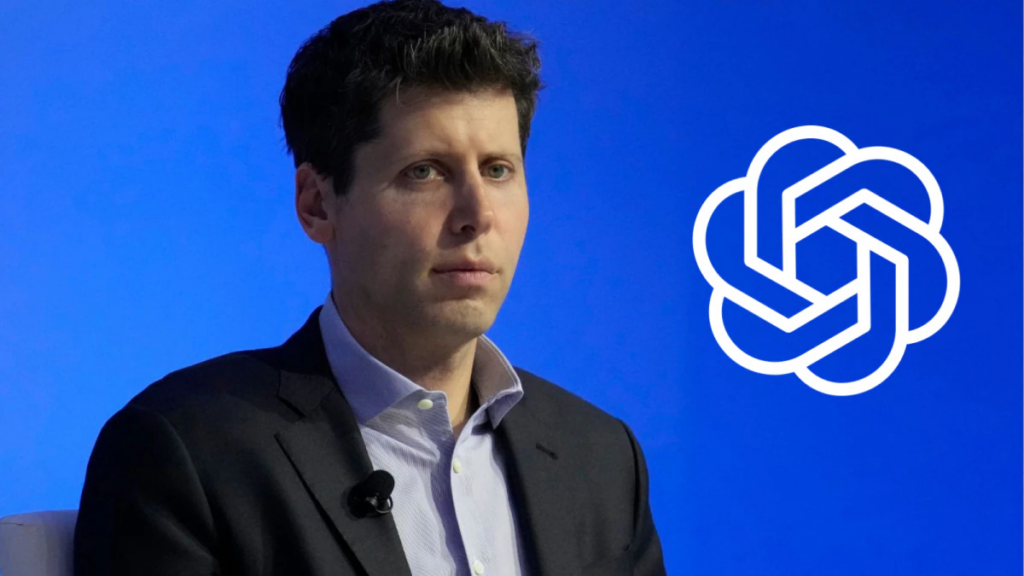
OpenAI has entered into an agreement with the United States Department of War to deploy its artificial intelligence models within the department’s classified cloud environment. The announcement was made by CEO Sam Altman via X, where he framed the partnership as the outcome of extended discussions focused on safety architecture, governance frameworks, and responsible AI deployment in high-security contexts.
Strategic Context
The agreement follows OpenAI’s recent $110 billion funding round, which reportedly placed the company at a pre-money valuation of $730 billion. The timing suggests a broader strategic push to deepen institutional adoption of its models, particularly within regulated and security-sensitive sectors.
Under the terms outlined publicly, OpenAI’s models will operate exclusively within secure government cloud infrastructure. The company confirmed that deployment will not occur on local or edge systems, a decision aimed at strengthening operational oversight, access control, and model governance.
Safety and Governance Parameters
Altman emphasised that the partnership aligns with OpenAI’s core safety doctrines, specifically:
- Prohibition of domestic mass surveillance use cases
- Maintenance of human accountability in the use of force, including autonomous systems
According to Altman, the Department of War’s existing legal and policy frameworks reflect these principles, and they are formally embedded within the agreement. OpenAI will also implement technical guardrails to constrain model behaviour in classified environments and deploy field engineers to oversee integration and compliance.
This structure indicates a hybrid governance model combining legal policy alignment with technical enforcement mechanisms.
Competitive Landscape and Policy Developments
The agreement comes amid heightened federal scrutiny of AI vendors. On Friday, the administration under Donald Trump issued directives affecting rival AI developer Anthropic.
Federal agencies were instructed to cease using Anthropic’s software, and the Pentagon subsequently designated the firm as a supply-chain risk — a classification typically reserved for entities considered strategically sensitive. The actions reportedly followed disagreements over AI safeguard requirements.
According to Bloomberg, OpenAI declined to clarify whether its services will replace Anthropic’s prior engagements within the department.
Operational and Market Expansion Signals
OpenAI indicated that its new funding will accelerate deployment of advanced AI tools across enterprise and government channels. The company also highlighted strategic partnerships with Amazon and NVIDIA, reinforcing its infrastructure and compute capacity.
Product adoption metrics cited include:
- Codex weekly users have increasing to 1.6 million since the start of the year
- ChatGPT exceeding 900 million weekly active users
- Over 50 million paying subscribers
- More than 9 million business users leveraging ChatGPT for enterprise workflows
The Implications
This agreement signals three broader trends:
- Institutionalization of AI in national security environments
- Shift toward centralized, cloud-controlled AI deployment models
- Increasing regulatory and competitive pressure shaping vendor selection
The development positions OpenAI more firmly within federal AI infrastructure while underscoring the growing intersection between frontier AI systems and state-level security operations.