

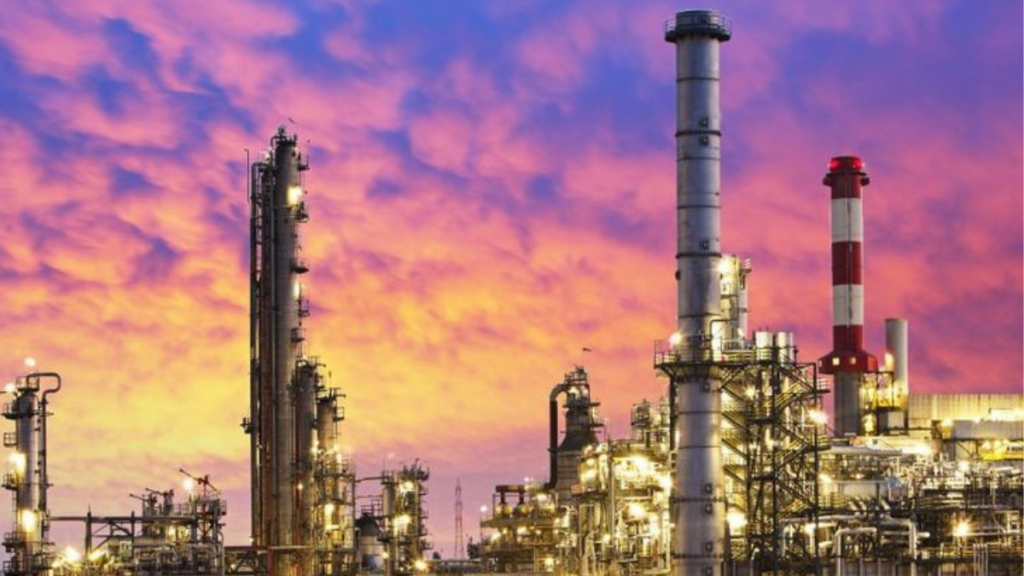
Nigeria’s push toward energy self-sufficiency has received a major lift following a fresh $350 million engineering deal signed between the Dangote Group and India’s Engineers India Limited (EIL). The agreement focuses on expanding and strengthening operations at the Dangote Petroleum Refinery in Lagos, further positioning the facility as a game-changer for Nigeria’s oil and gas sector. The Dangote Refinery, already regarded as Africa’s largest single-train refinery, has been central to conversations around reducing Nigeria’s dependence on imported petroleum products. This new partnership signals that the refinery’s long-term vision goes beyond initial operations and into sustained expansion, efficiency, and global competitiveness.
Strengthening Capacity and Efficiency at the Lagos Refinery
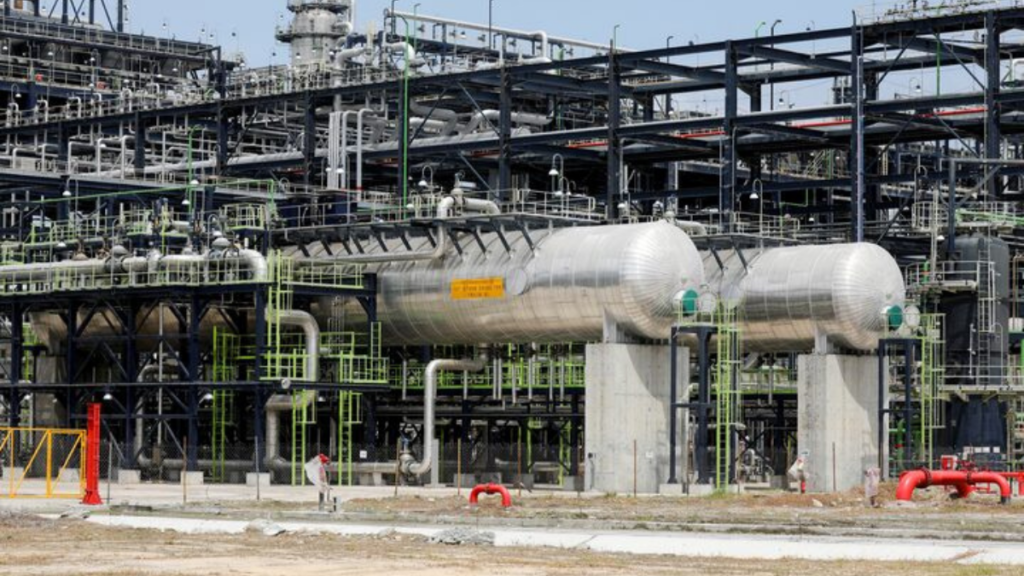
Under the deal, EIL will provide advanced engineering, consultancy, and project management services aimed at expanding the capacity and improving the operational efficiency of the Lagos-based refinery. Valued at $350 million, the contract covers critical aspects of process design, technical support, and infrastructure optimization within the facility. Industry observers see the partnership as strategic. EIL is a globally recognized engineering consultancy with decades of experience in refinery and petrochemical projects across Asia, the Middle East, and Africa. By engaging the Indian firm, Dangote Group is tapping into international expertise to ensure the refinery operates at optimal standards and can handle future production demands. For Nigeria, the implications are significant. Expansion of the refinery is expected to improve local supply of refined products such as petrol, diesel, aviation fuel, and petrochemicals. This could help stabilize domestic fuel availability, reduce pressure on foreign exchange used for imports, and support related industries that rely on petroleum by-products.
Economic Impact and What It Means for Nigeria’s Energy Future
Beyond technical upgrades, the deal carries broader economic importance. The expansion project is expected to generate additional employment opportunities during implementation while also strengthening Nigeria’s industrial value chain. Increased refining capacity could lower logistics costs for fuel distribution and improve energy security in the long term. Aliko Dangote has repeatedly emphasized that the refinery is designed not just to meet Nigeria’s needs but also to serve regional and international markets. With expansion plans now backed by a major foreign engineering partner, that ambition appears more realistic. Analysts believe the move could enhance Nigeria’s standing as a net exporter of refined petroleum products within West Africa and beyond. For the Nigerian economy, the agreement reflects growing confidence from international firms in large-scale private-sector projects. It also aligns with ongoing efforts to reform the oil and gas sector, attract foreign investment, and deepen local industrial capacity. As the Dangote Refinery continues to evolve, the $350 million EIL deal represents more than an engineering contract. It signals a renewed commitment to building a sustainable, efficient, and globally competitive refining industry on Nigerian soil, one capable of reshaping the country’s energy narrative for years to come.