


Growth is often celebrated as the ultimate marker of business success. Founders tout rising revenue, expanding customer lists, and increasing market share as proof they’re “winning.” Yet beneath the surface of many thriving businesses lies a structural fault line few founders address until it’s too late: cash flow timing. Studies and industry data confirm that a staggering majority of small and medium‑sized enterprises (SMEs) fail not because they lack customers, but because they run out of operating cash during expansion.
At its core, this issue isn’t about profitability. A business can be profitable on paper yet unable to pay rent, salaries, or suppliers because the cash is stuck on unpaid invoices. Growth amplifies this problem because it increases expenses immediately, while revenue often arrives later. In other words, growth exposes financial weaknesses faster than decline ever could. This article explores why approximately 90% of growing businesses hit the same cash flow blind spot, with practical reasons, real business examples, and actionable insights.
The Structural Cash Flow Problem
As sales grow, so do costs. Rent, utilities, payroll, taxes, and supply chain expenses demand payment in real cash — today. The corresponding revenue, however, typically exists in the form of accounts receivable, expected only in 30, 60, or 90 days. According to industry analysis, over half of all SMEs carry invoices that are more than 30 days overdue, directly hindering liquidity. For many founders, this timing gap is invisible. They rely on profit statements to guide strategy, assuming that rising revenue directly signals stability. Yet profit and cash are fundamentally different. Profit tells you how much you earned; cash flow tells you what’s available right now. When profits are high but cash is low, the business may no longer be able to fund operations.
Why Founders Miss the Blind Spot
Several practical factors contribute to this common failure point:
1. Slow Receivables Turnaround: Many businesses offer extended payment terms — especially in B2B sectors — to stay competitive. Net 60 and Net 90 terms are commonplace, but they delay actual cash inflows. Even with increasing sales, a backlog of unpaid invoices can starve the business of funds needed to operate.
2. Rapid Expense Growth: Growth demands investment:
- Hiring new staff increases payroll immediately.
- Inventory purchases and equipment upgrades require up‑front cash.
- Marketing campaigns cost money before any resulting sales are realized.
These expenses often rise faster than revenue receipts can cover them, especially in the first five years of operation. Businesses that don’t align expense timing with cash flows end up undercapitalized.
3. Weak Cash Flow Forecasting
Shockingly, as many as 75% of SMEs do not prepare reliable cash flow forecasts. Without a forward‑looking plan, they are unable to anticipate cash shortfalls or make timely strategic decisions. Instead, many founders react to crises as they arise—a strategy that rarely ends well.
4. Limited Financial Literacy
Not every founder starts with or even develops strong financial management skills. Difficulty interpreting cash flow data, build accurate budgets, or stress‑test financial scenarios can blind leadership to emerging problems until they reach a tipping point.
💼 Real‑World Business Examples
This cash flow challenge is not limited to startups; even larger brands have stumbled when liquidity dried up despite strong revenues:
Toys “R” Us
The iconic toy retailer expanded aggressively while carrying substantial debt. Despite solid sales during peak seasons, the company consistently struggled with cash flow due to high fixed costs and debt servicing obligations. The mismatch between incoming cash and outgoing liabilities contributed significantly to its eventual bankruptcy.
WeWork
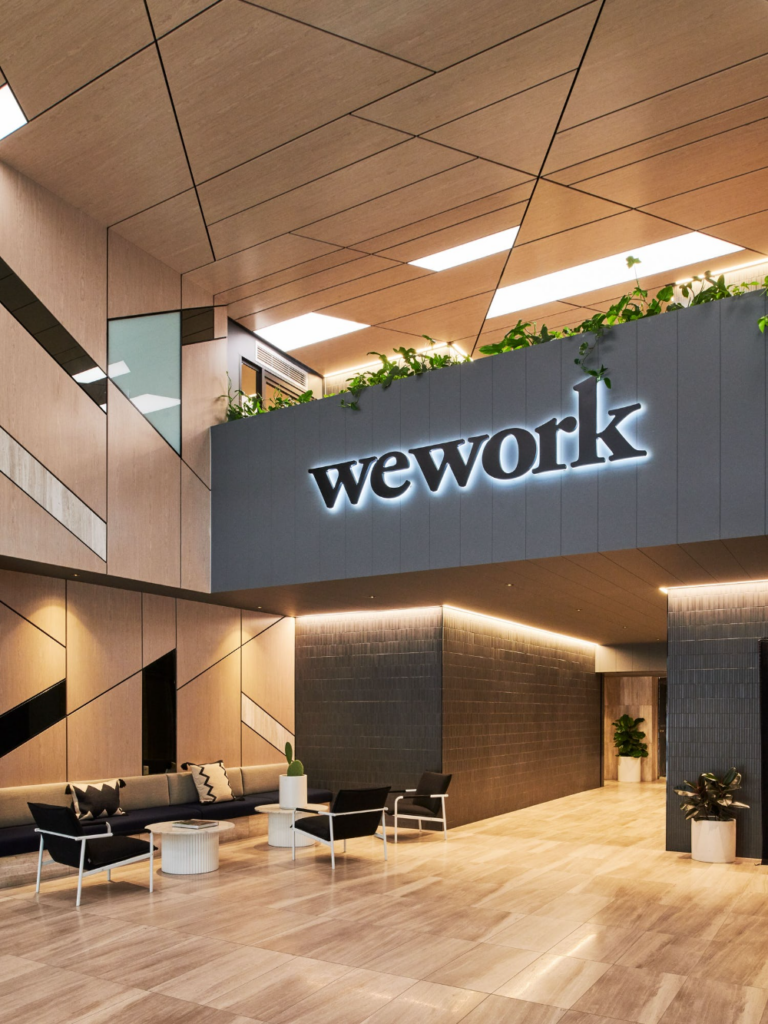
Once a high‑flying shared workspace unicorn, WeWork scaled quickly by signing expensive long‑term leases and investing heavily in global expansion. Yet cash inflows lagged behind contractual outflows. The company’s liquidity issues became a central reason behind its dramatic valuation decline and restructuring.
UK Retail Closures (2025)
Multiple high‑street brands, including Claire’s and The Original Factory Shop, entered administration not necessarily because of declining demand, but because rising operational costs outpaced cash inflows. Seasonal sales couldn’t compensate for cash deficits in slower months, illustrating how even established businesses can be buffeted by cash flow mismatches.

Strategic Lessons for Growing Businesses
The uncomfortable truth is that sales growth doesn’t guarantee financial stability. The ability to manage cash flow not merely increase revenue, determines long‑term survival. Here are four strategies successful businesses use to avoid the cash flow trap:
- Forecast Cash Flow Regularly: Update forecasts weekly or monthly to anticipate gaps and make proactive decisions.
- Shorten Receivable Cycles: Offer early payment discounts or negotiate faster terms with customers to improve liquidity.
- Extend Payables Without Damaging Relationships: Where possible, negotiate longer supplier payment terms.
- Build Liquidity Buffers: Maintain cash reserves to cover multiple months of operating expenses.
Growth should be celebrated but not at the expense of financial health. The true determinant of business sustainability is not how fast you grow, but how well you manage the cash that fuels that growth. Understanding cash flow timing, forecasting accurately, and aligning expenses with receipts can make the difference between breaking through to stability or becoming part of the 90% that falter at the same critical point.