

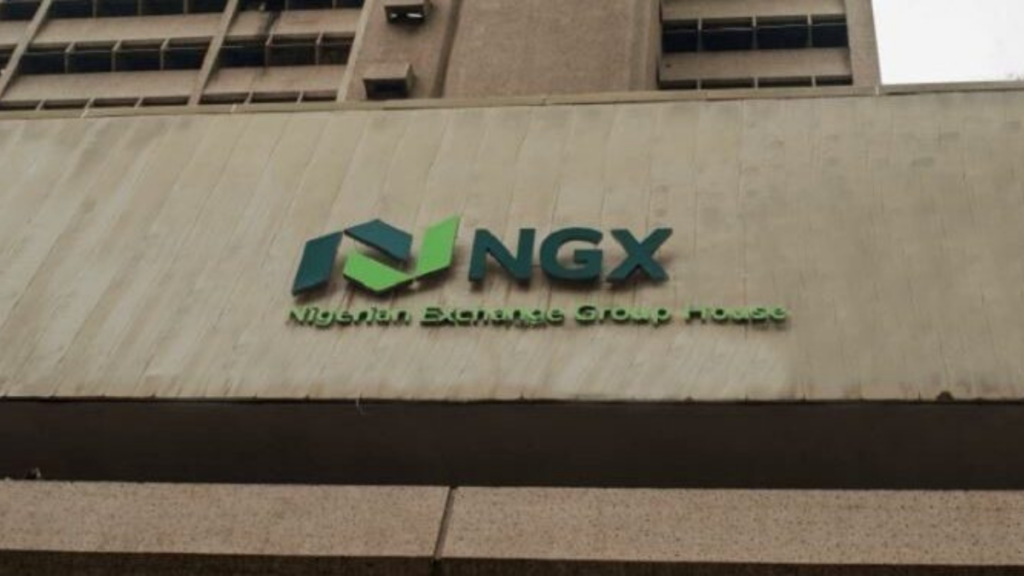
Nigerian Exchange Limited (NGX), through NGX Regulation Limited (NGX RegCo), has identified eight Main Board companies that fall short of minimum free float requirements, raising renewed questions about liquidity depth in segments of Nigeria’s equities market.
The free float, which is the percentage of shares available for public trading, is a liquidity proxy that directly influences:
1. Price discovery efficiency
2. Volatility levels
3. Institutional participation
4. Index eligibility
On the Main Board, companies must maintain at least 20% of issued shares as free float or shares valued at N20 billion (whichever is lower). Falling below that threshold compresses tradable supply, often leading to amplified price swings.
The Exchange’s monitoring indicates that the deficiencies may stem from concentrated ownership, share accumulation by dominant investors, or structural shifts in shareholder composition.
Liquidity Risk vs. Price Inflation
Low free float environments create scarcity dynamics. When tradable shares are thin, marginal demand can drive outsized price movements.
The recent suspension of Zichis Agro-Allied Industry Plc, following an 800% price surge within one month of listing, underscores the Exchange’s heightened sensitivity to liquidity-driven volatility. While not all free float breaches imply manipulation, structurally thin liquidity increases susceptibility to distortion.
The Affected Companies
Among those flagged are:
- Champion Breweries Plc
- UPDC Plc
- Prestige Assurance Plc
- SUNU Assurances Plc
- Aluminium Extrusion Industries Plc
- Golden Guinea Breweries Plc
- Infinity Trust Mortgage Bank Plc
- Multi-Trex Integrated Foods Plc
Rather than impose immediate sanctions, NGX granted compliance extensions, subject to structured remediation plans and quarterly reporting. This suggests regulatory tightening but with transitional flexibility.
Strategic Implications for the Market
This development reflects a broader regulatory recalibration. As NGX positions itself to attract deeper institutional capital, both domestic and foreign – tradability standards become non-negotiable.
Low liquidity carries systemic costs:
- Reduced institutional entry
- Higher transaction costs
- Greater susceptibility to speculative spikes
- Weaker investor confidence
By enforcing free float rules, the Exchange is effectively reinforcing minimum liquidity architecture.
What This Signals
For issuers, the path to compliance may require share sales by core investors, secondary offerings, or ownership restructuring.
For investors, the episode reinforces a critical screening factor: liquidity risk can materially alter entry, exit, and valuation assumptions.
For the Exchange, the action demonstrates that market integrity is increasingly being framed around structure, not just disclosure.
Earnings drive valuation and liquidity sustains markets.
NGX’s intervention suggests that maintaining both is now central to its regulatory posture.