

Running a business in Nigeria has never been cheap—but in 2026, the cost of simply staying operational is rising faster than ever. From inflation and currency swings to higher energy, logistics, and compliance expenses, companies are being forced to rethink how they grow and manage risk.
For many Nigerian businesses, the response is no longer aggressive expansion or rapid market entry. Instead, there is a noticeable shift toward cost control, operational efficiency, and protecting profitability. Hiring plans are being reviewed, expansion timelines extended, and internal processes tightened as companies adapt to a high-cost business environment.
This shift marks a deeper change in business strategy. Rather than chasing growth at all costs, Nigerian firms are increasingly focused on staying resilient, managing cash flow, and maintaining margins. Understanding what is driving these rising operating costs—and how businesses are responding—offers valuable insight into the current state of Nigeria’s corporate landscape.
Why Operating Costs Are Rising in Nigeria
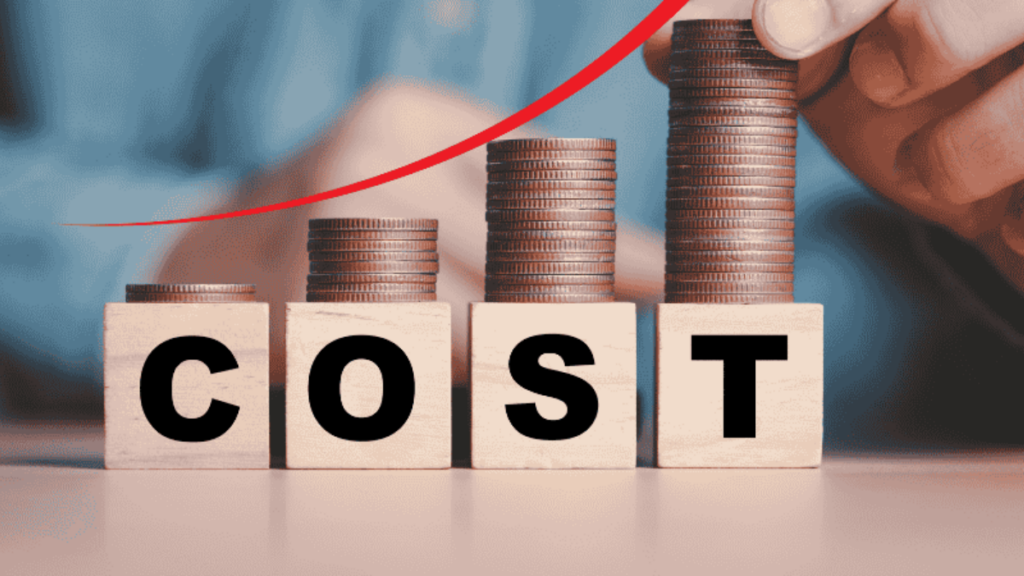
Operating costs are rising in Nigeria because businesses are spending more simply to keep operations stable in an increasingly volatile economic environment. These are not costs tied to growth—they are the costs of maintaining continuity in a high-risk, high-cost environment.
Inflation has pushed up the prices of raw materials, rent, transportation, and wages, steadily increasing the baseline cost of doing business. At the same time, exchange rate volatility has raised the cost of imported inputs—ranging from equipment to software and technology services—particularly for manufacturers, distributors, and service-based firms that rely on foreign suppliers.
Energy is another major pressure point. With unreliable grid power, many businesses depend on diesel and alternative sources, leaving them exposed to frequent fuel price increases. Logistics costs have also climbed, especially for companies operating across multiple states, as higher fuel prices and infrastructure bottlenecks continue to drive up transportation expenses.
Beyond daily operations, regulatory and compliance costs are also rising. In sectors such as banking, fintech, telecoms, and manufacturing, compliance has become a recurring operational expense that requires dedicated staff, systems, and capital—further increasing the cost of staying in business.
The Biggest Cost Pressures Facing Nigerian Businesses in 2026
While rising costs affect nearly every sector, the most significant pressures share one key trait: they are recurring, unavoidable, and directly tied to keeping businesses operational rather than growing.
Labour costs are one of the most immediate challenges. Companies competing to retain skilled talent face rising wages and employee-related expenses—even as productivity gains remain uneven. Input costs, both local and imported, continue to rise, squeezing gross margins, particularly for consumer-facing businesses.
Technology has also become a major cost centre. As companies digitise operations, spending on software subscriptions, cybersecurity, data storage, and IT support has shifted from optional investment to necessary overhead.
For smaller businesses and SMEs, these pressures are compounded by limited access to affordable financing. Higher interest rates and tighter credit conditions mean that day-to-day operations and expansion plans are now funded at a significantly higher cost than in previous years.
How Nigerian Companies Are Adjusting Their Strategies to Manage Rising Costs
In response, many Nigerian businesses are shifting from expansion-driven strategies to a more cautious focus on efficiency, discipline, and margin protection. The goal is no longer to grow as fast as possible, but to operate sustainably in a higher-cost environment.
Hiring plans are being reassessed, with companies slowing recruitment, freezing non-essential roles, or prioritising productivity gains over headcount growth. Office footprints are also under review, as more firms adopt hybrid work arrangements or downsize physical spaces to reduce fixed overheads.
Cost management is extending beyond internal operations to external partners. Vendor contracts are being renegotiated, suppliers consolidated, and, where possible, local alternatives adopted to reduce exposure to foreign exchange risk. Expansion plans—whether entering new locations or launching new product lines—are increasingly phased, delayed, or tied to clearer profitability benchmarks.
Pricing strategies are evolving as well. Instead of across-the-board price increases, many companies are experimenting with smaller pack sizes, tiered offerings, and selective price adjustments designed to preserve demand while protecting margins.
What This Shift Means for Growth and Profitability for Nigerian Businesses
The growing emphasis on cost control reflects a deeper change in how Nigerian businesses define success. Market share and scale still matter, but they are no longer being pursued at the expense of financial stability. Instead, profitability, cash flow discipline, and operational resilience are now central to strategic decision-making.
For investors and lenders, this shift could prove positive over time. Companies that navigate today’s high-cost environment successfully are likely to emerge leaner, more disciplined, and better positioned for sustainable growth when economic conditions stabilise.
The balance is delicate, however. Cost control that focuses only on cutting expenses can undermine long-term competitiveness if it erodes innovation, talent retention, or customer experience. The businesses most likely to succeed will be those that manage costs strategically—reducing inefficiencies while continuing to invest in areas that drive durable value.
Final Words
Rising operating costs are not just a temporary inconvenience—they are reshaping how Nigerian businesses think about growth, risk, and resilience. Success in today’s environment is no longer about expanding fastest; it is about expanding smarter, managing costs strategically, and investing selectively in areas that truly drive value.