

Kalvia, a Nigerian skills development company, is preparing to launch a digital marketplace that will connect households and businesses with trained technicians, backed by a three-month warranty on qualifying repair work.
The platform aims to address persistent concerns about unreliable artisan services by combining vocational training, skills assessment, professional standards and job opportunities in one system.
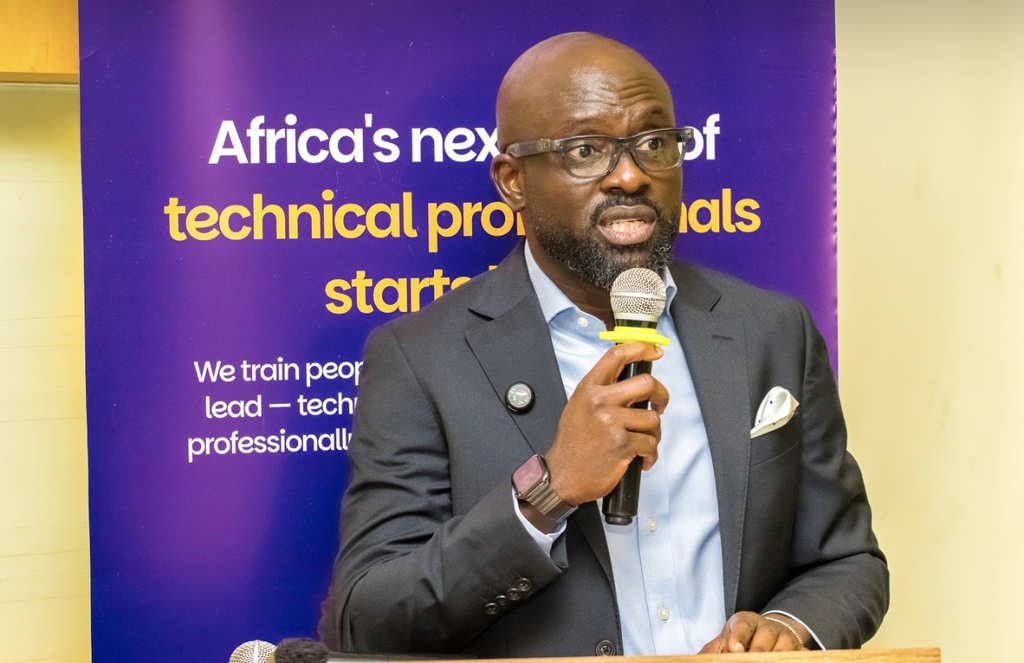
Speaking at a stakeholder conference, Kalvia founder and Chief Executive Officer Khafid Gbadamosi said the challenge is not the shortage of artisans in Nigeria but the difficulty of finding professionals who can deliver quality work, communicate effectively and take responsibility for their services.
“What we have is too few professionals. People who can diagnose a fault, price it honestly, fix it and close it without supervision,” he said.
Unlike conventional artisan marketplaces, Kalvia plans to ensure that technicians joining its platform have completed its training programme or passed a skills assessment. Those who need additional support will receive further training before taking on jobs.
How Kalvia’s Marketplace Will Work
The proposed marketplace will connect customers with electricians, plumbers, carpenters and other technical professionals based on the nature of their service requests.
Customers will provide details of their problems, allowing Kalvia to match them with technicians whose skills and experience fit the job. The company also plans to introduce job documentation, customer feedback, supervision and quality checks to monitor service delivery from start to finish.
A key feature will be a three-month warranty covering faults directly linked to completed work. If a repair fails within that period because of the technician’s work, Kalvia says it will resolve the issue at no additional cost to the customer.
The company also intends to insure its services and directly employ some technicians to maintain closer oversight of service quality.
Kalvia is already engaging residential estates and exploring other ways to generate demand ahead of the marketplace’s rollout. However, its pricing structure and the terms governing how technicians will earn from completed jobs are still being developed.
Company Establishes Advisory Councils Ahead of Training Launch
The stakeholder conference also marked the inauguration of three advisory councils to guide Kalvia’s training programmes and employment model.
The Youth Council will represent prospective trainees and help identify the opportunities and barriers influencing young Nigerians’ interest in vocational careers. The Trade Experts Council will advise on technical standards, industry requirements and the practical skills workers need, while the Hiring Council will help align training with employers’ expectations and identify job opportunities for graduates.
Kalvia Chief Operating Officer Toun Roberts said the councils would help ensure the company’s model reflects the needs of trainees, industry professionals and prospective employers.
“We have a model, but we don’t have proof. We have designed it carefully, but we cannot prove it without you,” she said.
The councils’ inauguration comes ahead of Kalvia’s planned training launch on February 15, 2027. The company aims to admit its first cohort of 200 learners into a 16-week programme covering five technical trades:
- Carpentry and joinery
- Plumbing and pipe fitting
- Electrical installation and maintenance
- HVAC maintenance and support
- Solar photovoltaic (PV) maintenance and support
Kalvia also plans to expand into other areas, including construction, as it develops additional training pathways.
Although the programme is expected to attract fees, the company is seeking sponsors to fund training for its first 200 learners. Subsequent cohorts are expected to operate under a paid model.
Kalvia Targets 70% Job Placement Rate
Beyond training, Kalvia is targeting a 70 per cent job placement rate for graduates. Opportunities are expected to come through partner employers, direct employment and the company’s planned marketplace.
Gbadamosi said the company would measure its impact not simply by the number of people trained but by whether graduates secure employment, remain in their jobs and increase their earning power.
The Lagos State Employment Trust Fund (LSETF), represented at the event, also expressed willingness to support graduates interested in establishing their own businesses.
According to the agency, eligible Lagos entrepreneurs can access business loans ranging from ₦50,000 to ₦5 million, depending on the applicable business category, at an annual interest rate of 9 per cent. The financing and entrepreneurship support could help trained artisans acquire equipment and establish their own operations.
Connecting Vocational Skills to Sustainable Income
Kalvia’s proposed marketplace is designed to connect vocational education directly with employment and income opportunities. By combining technical training, professional assessment and service monitoring, the company hopes to improve accountability for customers while helping technicians build sustainable careers.
However, the model’s success will depend on how effectively Kalvia maintains service standards, delivers on its warranty promise, attracts customers and creates reliable earning opportunities for technicians.
With its first training cohort planned for February 2027, the company is positioning itself to address two connected challenges in Nigeria: access to dependable artisan services and the need for more structured pathways into skilled employment.