

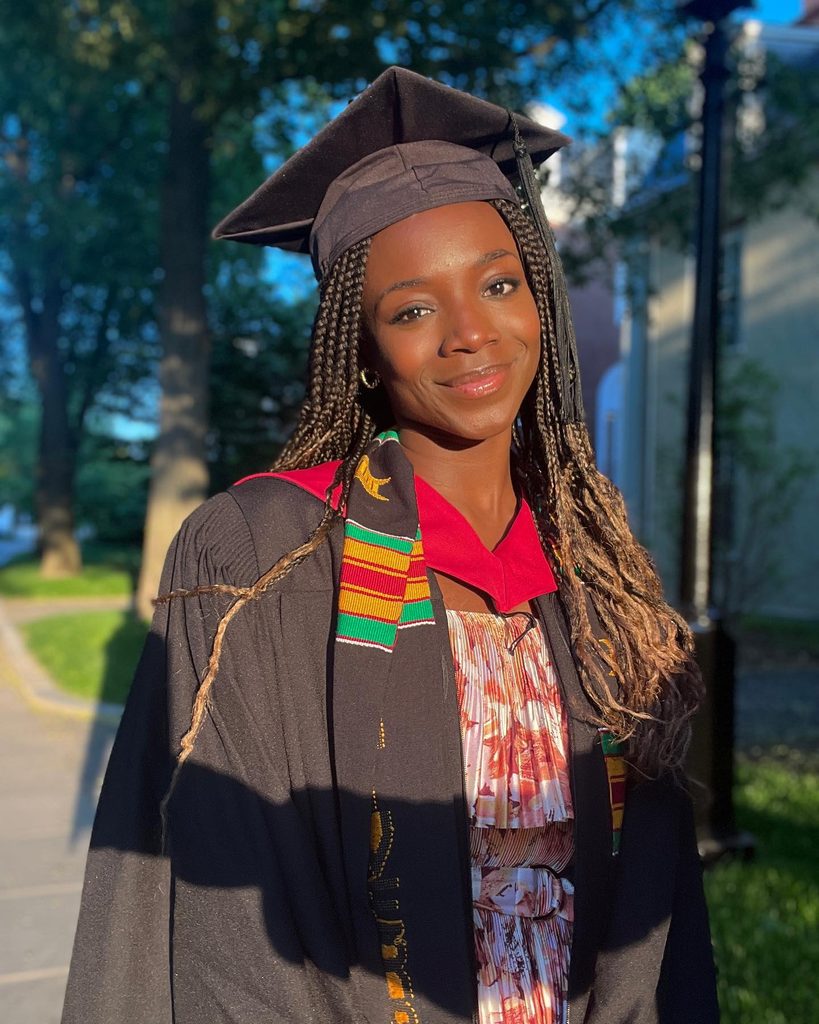
Nigerian-American engineer Yinka Ogunbiyi has unveiled a new demonstration of HaloBraid, an automated hair-braiding device designed to help professional stylists complete braids up to five times faster while reducing the physical strain associated with long styling sessions.
The technology combines traditional hairstyling techniques with automated weaving, allowing stylists to retain control over the final hairstyle while delegating some of the most repetitive work to a machine.
How HaloBraid works
Unlike a fully automated salon robot, HaloBraid is designed to work alongside professional hairdressers.
The stylist sections the hair, applies the necessary products and starts the braid manually before feeding it into the device. HaloBraid then handles the repetitive weaving along the length of the hair. The stylist finishes and seals the ends to complete the style.
The approach aims to reduce the time spent braiding without removing the stylist’s role in shaping the final result.
Ogunbiyi, a Harvard graduate and biomechanical engineer, said the idea grew from her own experience of spending hours getting her hair braided and hearing similar concerns from stylists and clients about the time and physical effort involved.
She developed HaloBraid with input from professional stylists, bringing together engineering, design and beauty expertise to address a familiar challenge in the haircare industry.
HaloBraid secures $7 million in seed funding
The company has raised $7 million in seed funding in a round led by Seven Seven Six, the venture capital firm founded by Reddit co-founder Alexis Ohanian.
The investment provides backing for a technology aimed at changing how protective hairstyles are created, particularly styles that require hours of repetitive hand movements.
Braiding remains an important part of the beauty industry, but lengthy appointments can place physical demands on both clients and professional stylists. By automating part of the process, HaloBraid aims to make braiding more efficient while keeping human expertise central to the service.
What this could mean for the beauty industry
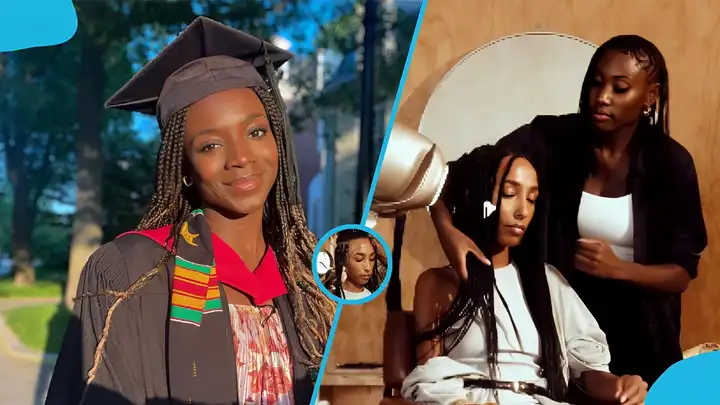
HaloBraid highlights how automation is moving beyond factories and offices into personal care services.
If the technology can deliver consistent results across different hair types and braiding styles, it could help salons improve productivity, serve more clients and reduce the physical demands of lengthy appointments.
However, its broader impact will depend on factors such as affordability, accessibility, performance across different styles and adoption by professional braiders.
For Ogunbiyi, HaloBraid represents an attempt to solve a familiar everyday problem through engineering, with the potential to reshape an established beauty service.