

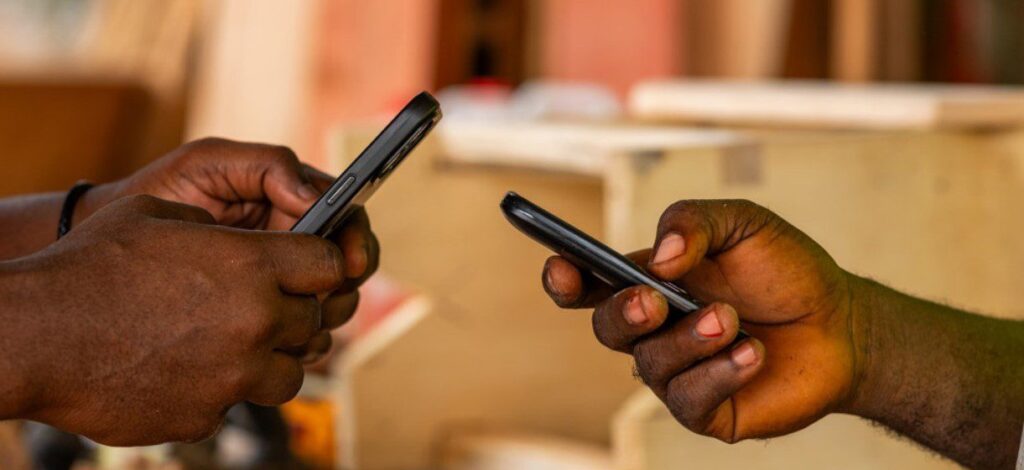
Airtel Nigeria generated an average revenue of ₦3,290 ($2.4) per customer from voice, data, and other telecom services during the second quarter of 2026, reflecting the growing contribution of digital connectivity to the company’s financial performance.
The figures, disclosed in Airtel Africa’s Q2 2026 financial results, show that Nigeria remains the group’s largest revenue-generating market, driven largely by surging demand for mobile data.
Data Revenue Continues to Outpace Voice
Airtel Nigeria reported ₦689.9 billion ($501 million) in total revenue during the quarter, representing a 50.4% year-on-year increase from ₦459 billion ($333 million) recorded in the same period last year.
Data services remained the biggest revenue driver, generating ₦361 billion ($263 million)—a 59.9% year-on-year increase.
Voice services also posted solid growth, contributing ₦264 billion ($191 million), up 42.6% from the previous year.
The performance reflects Nigeria’s increasing reliance on mobile internet as consumers spend more time online for remote work, social media, digital entertainment, and content creation.
Smartphone Adoption Fuels Digital Growth
Airtel Nigeria ended the quarter with 86.5 million subscribers, including 37.8 million data customers.
The company reported that smartphone penetration increased to 56.1%, up 4.6 percentage points year-on-year.
Average smartphone data consumption also climbed significantly, rising from 11.8GB to 14.9GB per user per month, highlighting the growing appetite for digital services across the country.
The increase in smartphone usage continues to strengthen Airtel’s data business as more Nigerians rely on mobile internet for everyday activities.
Digital Services Strengthen Revenue Mix
Beyond voice and data, Airtel’s digital ecosystem continued to expand.
SmartCash PSB, the company’s mobile money business, generated ₦6.8 billion ($5 million) during the quarter, compared to ₦2.7 billion ($2 million) a year earlier.
Other revenue streams—including infrastructure sharing, airtime and data lending, wholesale services, and value-added partnerships—contributed ₦58 billion ($44 million).
Despite recording growth, SmartCash still accounted for less than 1% of Airtel Nigeria’s total revenue, underscoring the intense competition within Nigeria’s mobile money and fintech ecosystem.
Improved Profitability Despite Rising Costs
Airtel Nigeria also reported strong profitability during the period.
EBITDA increased to $292 million, representing 58.2% growth in reported currency, while the EBITDA margin improved to 58.8%, supported by higher revenues and ongoing cost-efficiency initiatives.
However, the company noted that rising energy costs continue to place pressure on operating margins.
The stronger financial performance was also supported by the appreciation of the naira, with the average exchange rate improving from ₦1,585/$ a year ago to ₦1,367/$ during the reporting period.
Nigeria Remains Airtel Africa’s Largest Market
Nigeria contributed $501 million, representing 27% of Airtel Africa’s total revenue across its 14 African markets, maintaining its position as the group’s single largest market.
Across the continent, Airtel Africa reported:
- Revenue: $1.85 billion (up 31% year-on-year)
- Profit after tax: $198 million (up 27%)
- EBITDA: $928 million
- Customer base: 189 million subscribers
- Average Revenue Per User (ARPU): $3.30, up from $2.80
While data and voice continued to drive group performance, Airtel Money generated $404 million across its African operations, with East Africa remaining the strongest contributor to the mobile money business.
The results reinforce Airtel Nigeria’s growing role as a key contributor to Airtel Africa’s performance, as increasing smartphone adoption and digital consumption continue to reshape the country’s telecommunications landscape.