

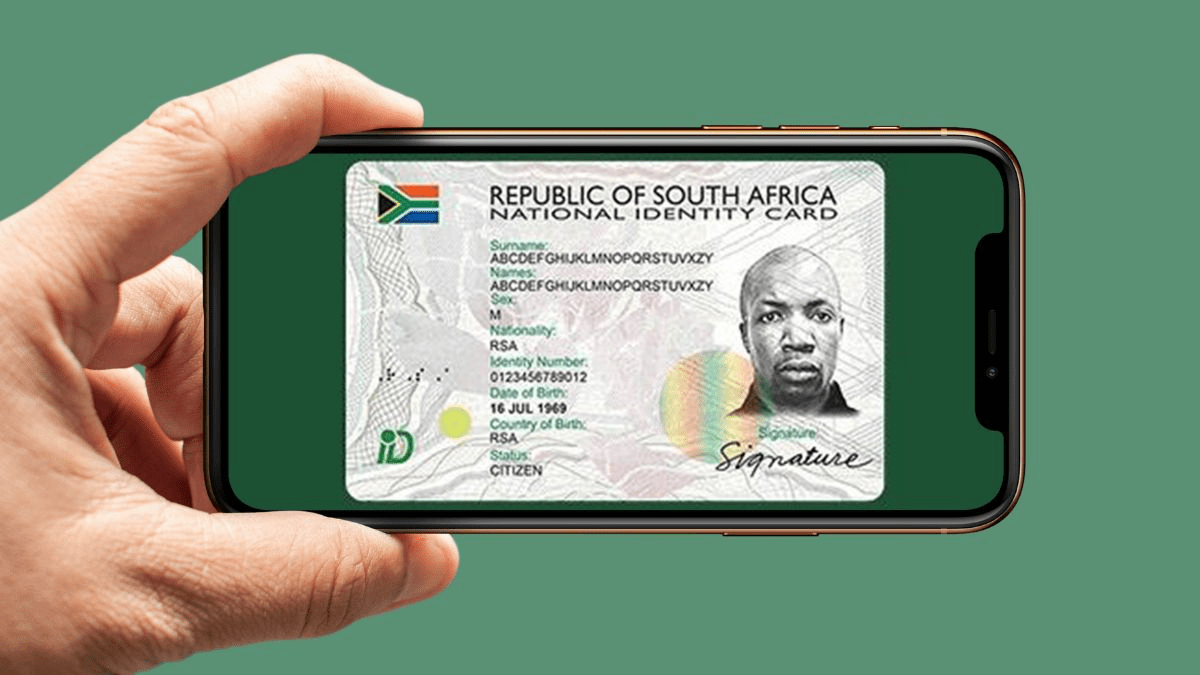
South Africa is taking a significant step toward digitizing identity verification, with plans to introduce a smartphone-based system that allows citizens to prove their identity using a mobile application.
The initiative, led by Home Affairs Minister Leon Schreiber, is outlined in newly released draft regulations that propose a complementary digital identity framework alongside the country’s existing smart ID cards.
MyMzansi App To Power Digital Identity
At the center of the proposal is the MyMzansi app, a platform designed to enable citizens to authenticate their identity digitally for everyday transactions. The system is currently open for public consultation until June 6, 2026, with adoption remaining optional.
Under the framework, users can choose between traditional physical ID cards or digital credentials stored securely on their smartphones—mirroring global trends where digital verification enhances convenience without replacing existing systems.
How The Digital ID System Will Work
Citizens aged 16 and above will be able to enroll for the digital ID at authorized locations, including Home Affairs offices, embassies, ports of entry, and accredited bank branches.
The registration process will include:
- Document verification
- Biometric capture (fingerprints and facial recognition)
- Phone number and email confirmation
Once issued, the digital ID will be tied to a specific device for enhanced security and will remain valid for five years. Renewal can be completed within the app using facial recognition, removing the need for physical visits.
Users will be able to verify their identity through QR codes, Bluetooth, or near-field communication (NFC), enabling seamless interactions across services such as banking and telecoms.
Real-Time Data Integration With Banks And Telcos
A key feature of the proposal is its integration with “trusted entities,” including banks and mobile network operators. These institutions will be able to securely verify user identities through the national population register and receive automatic updates when personal details change.
This represents a major shift from traditional identity systems, where updates often require manual intervention across multiple platforms.
Privacy Safeguards And Legal Controls
The draft regulations include strict data protection measures. Trusted entities are prohibited from using identity data for profiling, commercial exploitation, or unrestricted surveillance.
Access by law enforcement agencies will remain subject to existing legal processes, such as court orders and warrants. Additionally, all access to identity records must be logged and stored for a minimum of seven years to ensure accountability.
Penalties for misuse are also clearly defined. Offenses such as identity fraud, credential misuse, or attempts to bypass security systems could result in fines or prison sentences of up to two years.
Toward “Home Affairs At Home”
The broader vision behind the initiative is to reduce reliance on physical government offices by enabling citizens to complete identity-related processes remotely, a concept described by policymakers as “Home Affairs at home.”
At the same time, the government has emphasized inclusivity, committing to ensure access for individuals without smartphones or reliable internet connectivity through widespread enrollment points across municipalities.
If adopted, South Africa’s digital ID system would place it among a growing number of countries leveraging mobile technology to modernize public services. Beyond convenience, the initiative signals a deeper shift toward integrated digital infrastructure, where identity becomes a seamless, secure layer underpinning financial services, telecommunications, and governance.